The world's largest concrete dam--and the second largest concrete structure in the world--lies on the Columbia River in the State of Washington. It is also one of the largest hydroelectric power plants in the wrold, and it's huge irrigation pumps are big enought to pump dry most of the rivers in the United States. It's construction in an isolated and thinly populated area of the U.S. during the Depression years, was one of the greatest achievements of the Work Projects Administration, President Franklin Roosevelt's bid to restore prosperity and jobs to a nation in trouble. Constructed by Mason-Walsh-Atkinson-Kier Co. in 1931, it is 550 feet high and 4,173 feet in length.
Discover the remarkable story of how this landmark New York City skyscraper was constructed during the depths of the Great Depression.
Chronicles one of the most incredible engineering feats of all time: construction of the 51-mile canal that took 10 years to build and employed over 40,000 workers, 6,000 of whom died of yellow fever, malaria, and other horrors. An earlier, 9-year attempt by the French ended in failure and cost 20,000 lives.
The incredible tale of how Gutzon Borglum created the world’s largest sculpture by carving the faces of four US presidents (George Washington, Thomas Jefferson, Theodore Roosevelt, and Abraham Lincoln) into the Black Hills of South Dakota.
Ancient Greeks created complex mechanical clocks and measuring devices, including the Antikythera mechanism, which was used to calculate the positions of the sun and moon.
More Ancient Discoveries
More Ancient Discoveries
Careful design mixed with cutting-edge technology has made Las Vegas an intoxicating oasis in the middle of a desert.
Completed in 1889, the Eiffel Tower remains a symbolic icon of France's history and the industrial age. Modern Marvels takes you on a tour of this world famous monument from its inception to the present day.
From Houston's Astrodome to Toronto's stunning Skydome, follow the history of the revolutionary structures that have transformed sports in America.
It started as an idea at a French dinner party and became the symbol of the free world. The story of France's gift to the U.S. reveals a 20-year struggle to design and build the world's largest monument--using paper-thin copper sheets.
With technological advances, our ancient struggle against the sea has turned into a luxurious holiday. Come aboard for a peek at the elegant life on these floating resorts.
There is no more potent demonstration of man’s resolve than the design and construction of tunnels–avenues that slice through a conspiracy of elements in the single-minded determination to connect two points. Whether underwater, blasted through solid rock, or negotiating the shifting strata of earth’s unstable crust, we explore the design and engineering of famous tunnels…and the motivation behind them.
Built of stone and glass, persistence and prayer, gothic cathedrals are an epiphany of imagination and an articulation of joy. Featured are such masterpieces as Chartres, Notre Dame and the National Cathedral in Washington D.C.
Considered by many to be the most astounding machine ever built, this reusable spaceship is the apex of flight technology. Explore the issues that led to NASA's decision to create an "airplane" to navigate space.
Construction of the second-longest suspension bridge in the Unites States took 25 million man-hours and 80,000 miles of cable to complete but the cost in human life proved high.
It was an engineering feat of almost miraculous proportions and a design of spectacular elegance. Rare photographs and behind-the-scenes stories recall the politics, the struggles, and the tragedies that made possible “the Eighth Wonder of the World”.
Tennessee: The Tennessee Valley Authority (TVA) is a federally owned corporation in the United States created in May 1933 to provide navigation, flood control, electricity generation, fertilizer manufacturing, and economic development in the Tennessee Valley, a region particularly hard hit by the Great Depression. The TVA was envisioned not only as an electricity provider, but also as a regional economic development agency that would use federal experts and electricity to rapidly modernize the region's economy and society. It was the first large regional planning agency of the federal government and remains the largest.
The story of the construction of our grand national highway system, from its beginnings in 1912 (it was conceived by auto and headlight tycoons) to its completion in 1984 (when the last stoplight was removed–and buried).
From the first well in Pennsylvania to the gushing Spindletop and modern supertankers, the story of oil is the story of civilization as we know it. We’ll take a look at the ingenious and outrageous men who risked everything for “black gold” and unimaginable wealth.
Used in technology, photography, and decorative arts, silver is one of the most versatile metals known to man. In this episode of Modern Marvels we’ll explore the methods, men and machines that extract this precious resource from the earth. In Northern Idaho’s Lucky Friday mine, workers toil more than a mile underground in an around-the-clock cycle of blasting and hauling silver laden rock. While in the wilds of northern Nevada, large machines and even larger ore loads make the vast Rochester open pit mine one of the most productive silver mines in the United States. Both these facilities owe their methods to the silver strike that started it all: Nevada’s famous Comstock Lode of the mid 19th Century. From some of the largest steam engines ever built, to robotic mining machines that work without human intervention, we’ll examine the past, present and future of silver mines.
With California finally part of the United States, two rail companies raced to connect the monied East and the promising West. Along the way, fortunes would be made, lives lost, and adversity overcome. This is the story of the largest, most expensive challenge of the 19th century.
The year was 1869 and America had just completed the greatest building achievement in its history–the Transcontinental Railroad. A thin ribbon of steel and wood now connected East and West. But the fledgling country now faced an even greater challenge–how to harness the awesome potential of the railroad to tame the still wide-open and wild West.
Thomas Edison registered over 1,000 patents, but his favorite invention was one of his first. Rare photographs and early recordings show how the young inventor and his team outfoxed Alexander Graham Bell.
Considered one of Thomas Edison’s most famous innovations, the electric bulb changed the world we live in by literally putting the power to control light at our fingertips.
The complete story of the feuds, the mistakes, ingenuity, and successes that made movies possible–and kept Edison at the front of the inventor pack. Includes rare early films from the Edison Studios.
Witness this invention's unbelievably dramatic true story: one of false starts, close calls, and a bitter rivalry.
An exploration of the world’s most popular entertainment, from the boy genius who invented it to the RCA General who made it a reality.
A look at the inventions that have revolutionized society as we know it. They began as behemoths which weighed over 2 tons!
The history of photography and the camera from it's humble beginnings through the digital age.
A look at the F-117 Stealth Fighter that led the pack for the Allies in the Gulf War and virtually decimated Baghdad. Find out how the technology allows it to approach its target without being detected by radar. Also, a look at the B-2 Stealth Bomber.
Standing majestically for centuries, the world’s great pyramids have long inspired and mystified. Leading experts and historians explore the engineering genius that created some of the largest structures on the planet, from ancient Egypt to Central America.
Since the turn of the 20th century, designers have competed to build them faster, taller, and steeper. But as technology pushes the envelope with flips, weightlessness, and more g-force than a jet, how many thrills can the human body take?
From Stonehenge to the Hubble Telescope, man has always been a species of stargazers. Unforgettable film footage and expert accounts reveal the facts of astronomy’s most mind-boggling discoveries.
Winding roughly 6,700 kilometers through undulating mountains, grasslands, and desert, its vastness seems beyond the realm of human possibility. A wonder of the ancient world, the Great Wall of China is one of mankind's most awe-inspiring building achievements. Yet contrary to popular belief, there is no single wall of China, but rather a series of walls built for different reasons at different times. Modern Marvels embarks on a journey of discovery, investigating the mysterious history surrounding this cultural marvel. Historians and modern engineers discuss the planning, construction, and function of various segments while extensive location footage illuminates the stunning majesty of its architecture. From ancient to modern China, explore the incredible history behind The Great Wall of China.
It took the innovation of three men, including a visionary British science fiction writer and a Nazi engineer, and one of the most desperate technological races of all time to create the satellite. See how satellites evolved into the world's most essential communications tools, and explore the stunning capabilities of modern spy "birds".
Though now considered a country cousin when compared to the sophisticated television, merely a century ago, the radio galvanized communications as it linked the world without wires. The program examines the long life of the radio.
A profile of history's greatest tower including the Tower of Babel, the Leaning Tower of Pisa, Big Ben, and the Eiffel Tower. Also features in depth looks at the Seattle Space Needle, the CN Tower in Toronto, and the Las Vegas Stratosphere.
Reviews the revolution in home improvement and glimpses the kitchen of tomorrow. Included: the development of the stove, sewing machine, refrigerated air, washing machine, vacuum cleaner, toaster, and mixer.
Examine the history of this landmark technology, from its role in the Allied victory in World War II, to its widespread use in air traffic control, ocean surveillance, astronomy, geology and meteorology.
From Sherlock Holmes' examination of the physical evidence at a crime scene to today's DNA technology, we review the history of crime detection through the use of forensic science.
When "poliomyelitis" swept the nation, thousands died or were disabled before American ingenuity, trial and error, and blatant acts of desperation led to one of the greatest scientific breakthroughs in history. We'll see how polio shaped the vision of FDR, and catapulted the young unknown doctor Jonas Salk to international celebrity.
Welcome to the center of the American economy, where nearly $90-million changes hands each minute. Journey back to the wooden wall, built to hold back Indians, where early traders signed a pact creating the New York Stock Exchange; watch worldwide markets quake with the crash of 1929; and visit today's computer-driven wonder.
Journey inside the top-secret headquarters of NORAD–the North American Aerospace Defense Command–a binational military command composed of the United States and Canada. See how its primary mission has changed through the years, and go inside the Cheyenne Mountain Operations Center.
Feel the earth move under your feet and dig into the fascinating history of earthmoving equipment--from invention of the simple spade to today's powerful steam shovels. Meet the legendary giants like John Deere, Jerome Case, and the founders of Caterpillar, who helped forge America's monolithic construction industry.
The developments and technology of international airports' construction and operation.
Chronicling the development of deep-sea exploration and the vessels and devices that make it possible. Also: some of the revolutionary findings that have resulted from marine exploration.
In 1973, a desperate America, starved by an OPEC embargo, began construction on an 800-mile lifeline for its insatiable oil hunger. We'll examine this technological triumph, built over impenetrable mountains and tundra, where temperatures drop to 75 below zero. We also study its impact on a fragile ecological system.
The story of how man has moved water from place to place since ancient times up through Mulholland's Los Angeles aqueduct and the present.
For over a century, the US steel industry was a powerful symbol of the nation's industrial might. Steel helped explode the stock market into an overnight powerhouse, and transformed a country of farmers and merchants into a nation of visionary builders. But America's domination of the market would meet new challenges in the 1970s.
Meet some of the most important, yet least-recognized, warriors--the battlefield engineers who lay the groundwork for oncoming conflicts. We'll cover combat engineering from ancient Rome to modern-day Iraq, and take a look at the "Next Big Thing".
Eleven of the world's largest hotels are in Las Vegas. The story of Las Vegas' emergence from the desert and transformation into one of the world's most storied destinations..
The great bridge of San Francisco, not the Golden Gate, this one: The San Francisco-Oakland Bay Bridge. Over 500 feet above the water, more than 8 miles long. One of the Seven Engineering Wonders of the modern world.
An examination of how one man's vision and the cooperation between the US and England resulted in an instant, reliable transcontinental mode of communication in the mid-1800s.
Each day, billions of gallons of water flow through cities into homes and back out again in a confusing mess of pipes, pumps, and fixtures. The history of plumbing is a tale crucial to our survival--supplying ourselves with fresh water and disposing of human waste. From ancient solutions to the future, we'll plumb plumbing's depths.
A rare behind the scenes look at how the U.S. Mint manufactures coins and medals for the U.S. Government.
A look at the expositions known as "World's Fairs," which have served as showcases for entertainment, cultural events and new technology.
The history of bacteria, germ theory, and early medical treatments that gave way to revolutionary antibiotics starting with Fleming's penicillin.
Medical imaging, the technology that allows us to see inside the human body, is full of amazing stories. Learn how X-rays were discovered in 1895, completely by accident; how ultrasound was developed to locate enemy submarines; and how the CAT Scan might never have been built if it weren't for The Beatles!
An exploration of the technological innovations that have made extreme sports a reality.
The high tech equipment used to increase human performance including radar baseballs, lightweight bicycles, and inline skates. Also featured are in depth looks at the evolution of skiing, different sporting shoes, and football helmets.
Topic: detecting arson. Included: finding clues in ashes; explaining motives behind church fires; psychological profiles of offenders.
From the earliest recorded account of an amputation and subsequent prosthesis in ancient Hindu writings, to a 16th-century fully articulated artificial hand controlled by an intricate geared mechanism, to today's use of plastics and space-age materials, we chronicle the long history of prosthetic devices.
Any fire raging out of control is a hazard, but when compounded with obstacles of extreme conditions, such as an oil-well blowout or acres of forest ablaze, firefighters face new elements of danger. Meet a WWII London firefighter, "Hell Fighters" who squelch oil-well infernos, and smokejumpers who parachute into forest fires. with special guest John Travolta
A study of the discoveries, inventions, and technological advances that have helped us understand and predict weather accurately. From simple observations made by primitive humans, to early instruments such as thermometers and barometers, to Doppler radar and satellite imaging, we'll see how man has tried to harness weather.
The most extreme raging fires and the firefighters who tame them. Meet “Hell Fighters” who fight raging oil well fires and “smoke jumpers” who parachute into forest fires. Also, see how NASA guards against the very real risk of a fire aboard a space vessel.
Plastics, the omnipresent material that has revolutionized homes, workplaces, cars and commerce. Also examined: its uses in medicine and protective gear; and the recycling industry.
It has become a new dimension in entertainment. It pulls us into the center of the action with explosive sounds and computer controlled audio design. From it’s humble beginnings in the basements of amateurs, stereo has grown into a multi-billion dollar industry.
Behind the scenes of the world's largest communication agency to show how the mail gets through. Learn how the Post Office has changed through the years and get an up-close look at the technology on which the modern Post Office relies.
“Clocks” examines mankind's predilection for telling time, from the ancient uses of shadows and hourglasses to the digital age. Also: a super-accurate atomic timepiece; water clocks.
Until the airplane soared on the scene, the President was mostly Washington-bound; then, in 1910, Teddy Roosevelt took to the sky! From FDR's custom-tailored prop plane to today's technological wonder, the program examines the evolution of the Oval Office in the Sky.
New York subway system's riders, workers and street performers make it a microcosm of city life.
They are among the most romantic machines ever built, enormous craft held aloft by lighter-than-air gas trapped beneath their vast skins. In the 20th century, they have played a vital role in war, transportation and commerce and been involved in one of the most famous tragedies of all time.
The construction of skyscrapers is a triumph of engineering and capitalism. Climb to the top of the Empire State Building, Chrysler Building, Sears Tower, and World Trade Center to see how ego, money, and technology joined to build the tallest of man-made structures.
Throughout history, the builders and engineers who paved our way out of the caves and into the modern world have also caused some of our worst disasters. What happens when their calculations prove wrong and it all comes tumbling down?
Parks play an even more important role than simply offering city dwellers a scenic break from the urban landscape. They provide important ecological and health benefits that help cities like New York and Los Angeles thrive.
Tracing the evolution of the tools of espionage over the past century, from drop boxes and rudimentary codes to the tiny, high-tech devices that are already far more prevalent than most people imagine.
In this history of medicine under fire, we see how a small army of medics, nurses, surgeons, stretcher-bearers, and ambulance drivers, race to keep pace with the deadly advances of war.
Charting the history of cartography--from ancient Marshall Islands' stick maps to the New York City Police Department's computerized super-map. Some are works of art, others vital tools for law enforcement, space exploration, and agriculture.
Check out the latest advances in rescue technology, including a Searchcam system that locates buried victims, and the Jaws of Life that can extricate a person from a crushed car in seconds.
Strap on a parachute and soar through the saga of jet propulsion, which radically transformed our world since inception in WWII.
One of the most feared and powerful weapons in any nation's arsenal. From the use of diseased carcasses flung over castle walls to Greek Fire to today's smart bombs, we review the evolution of bombs.
Discover more about this priceless commodity essential to our very survival. It has over 14,000 uses from de-icing our roads to softening our water.
Dive with the best as we test scuba diving’s past, and look to a future of mechanical gills.
Dynamite blasts out the natural resources that have built our modern world.
Drilling offshore is to drilling onshore what Ginger Rodgers was to Fred Astaire, she did everything he did except she did it backwards and in high heels. Offshore drilling is one of the greaest technological dances mankind has ever attempted
Venture into the Southwestern Desert for the complete story of one of the seven engineering wonders of the world -- Hoover Dam. From the blueprints to reality, this is the story of the ingenuity and manpower that literally moved a river and sculpted a mountain of concrete.
Tracing the development of the ballpark. Visit some of baseball's greatest shrines, including Wrigley Field, Yankee Stadium and Camden Yards, and see how the years have changed the way they were conceived and built.
Visits the Brooklyn, George Washington, the Tri-Borough and the 59th Street bridges. In the stone and steel of these edifices the history of modern bridge building can be seen.
Delve into the secretive, but hugely important, multi-billion-dollar industry of product testing where wrinkles get ironed out and goods are stripped of the marketing and hype to see if they actually work.
The history of parachutes and how there development has impacted the fields of war, firefighting, recreation, and space exploration.
Since the invention of gunpowder, fireworks have thrilled audiences around the world. We'll review highlights of fireworks exhibitions throughout history, and go behind the scenes to explore how science and art mingle in this unique, ancient craft.
Overview of the Nazi Fortifications along the Atlantic Seaboard from Belgium to Spain. Coastal Defense of WW2 Nazi efforts to prevent Allied Forces from gaining foothold into France. War Time Film Footage of "D" Day Invasion.
The history of civilization could easily be measured in terms of our ability to make, use, and improve tools. We'll examine today's power tool industry, which is booming thanks to more powerful, lighter, and quieter cordless tools.
Emergency room medicine has only been a recognized specialty since 1989, and it took close to two millennia to get to this point. Advancements that led to the modern emergency rooms are highlighted as well as emergency/trauma medicine.
Fast and powerful, they come in a hundred shapes and a thousand colors. To some, motorcycles symbolize freedom; to others, they simply stand for trouble! We race back in time and see how, for over a hundred years, motorcycles have tantalized riders with a promise of unparalleled speed and endless adventure!
While a civilization's greatness is reflected in the achievements of architects and engineers, equally impressive are spectacular acts of destruction throughout history. The cycle of construction and destruction reflect the shifting values of any given era. We'll trace the evolution of planned destruction from ancient to modern day.
Well over 2-million years before modern man evolved, his primitive ancestors were making tools. The ability to extend the hand and strengthen the arm is considered one of the keys to human evolution. Join us as we nail down the history of hand tools, and look at a new generation of computer-designed, high-tech hand tools.
Throughout history the same builders and engineers that paved man’s path out of the caves and into the modern world also caused some of mankind’s worst disasters. Often a huge calamity is traced back to a tiny cause, insignificant in itself, but triggering a domino effect. We’ll revisit notable disasters and search for probable causes.
Place your bets and join us for an exciting spin through the history of the casino. We'll go behind the neon lights, free drinks, and 24-hour gambling to see how the gaming industry has evolved from a simple house of cards to a high-tech multi-billion dollar industry.
Join us on an out-of-this-world exploration of the history of long-duration life in space--from the first Soviet station to Skylab to Mir to the International Space Station. Experience what it is like to live in space, as well as the monumental obstacles engineers and astronauts overcame to make it possible.
Bridges play a key role in the human quest to connect and unify.
The philosophy and architecture of today's U.S. prisons emerge from those of history.
Close cousins to machines and tools, gadgets are mechanical or electronic devices that make life a bit easier. While they don't always fall into clear categories, we know one when we see one. We'll view the craziest, cleverest, and most brilliant gizmos, meet the often-quirky gadgeteers, and glimpse gadgetry of the future.
The stories behind everything from the paper clip to the laser printer. From chance discoveries never intended to wind up at work to the irony of labor saving devices and why they can actually create more work.
Wheel; steam engine; railroad; automobile; airplane; printing press; electric light; wireless telegraph; telephone; television; computer.
World War II sees more planes built in a single year than had been built in the previous 40.
When police forces were born in the 1800s, British "bobbies" made due with a billy club. Public wariness and institutional resistance to change held back technological advances for much of the 20th century. But in the last decades, police have been swept up in a technological revolution that has transformed nearly all aspects of crime fighting.
Technological tools help science mitigate nature's fury.
A look at London's Tower Bridge, a fine example of Victorian engineering and architecture that has attracted tourists since its inauguration on June 30, 1894, by Edward, the Prince of Wales.
Invented by the ancient Romans, concrete is a relatively simple formula that changed the world. Concrete has been used to divide an entire country, as in the Berlin Wall, and to unite nations, as in the Chunnel. We'll review the history of this building block of civilization and look at modern applications
As camping technology develops, it provides greater access to diverse outdoor environments. The earliest camping technology was developed out of necessity. When men headed off to war, they returned with new camping gear and lightweight materials, which enabled further exploration.
From vintage aircraft to homemade winged wonders to posh private jets. It's a tale that merges technological progress and the fantasies of an unique type of person, who refuses to be grounded by earth's surly bonds.
Today, race cars tear up the tracks at 300 mph. Computers and space-age composite materials are as much as part of racing as the drivers. They're fast, they're thrilling, and they've gone high-tech. We'll review the history of the innovations that led to today's technological wonders.
Go into air traffic control centers and the planning offices of transportation managers nationwide for a revealing look at a growing crisis.
Buses go from an eight-passenger carriage to a wheeled luxury liner.
Around the world and across the eons, gold stands as a symbol of power, wealth, and love. The quest for the yellow metal took men across oceans, into the depths of the Alaskan winter, and miles beneath South African earth. This is the story of the hunters of the precious metal and their methods for extracting it.
The history of financial institutions including the technology they have used in the past and their modern applications.
It was a 363-mile highway linking the western frontier to the Atlantic seaboard. It shaped the history of the nation and transformed New York City from a minor seaport into a commercial capital.
They are the backbone of the transportation and construction industries. Versatile, vital and ubiquitous, trucks perform jobs from carting off mountains to keeping nations fed.
See how the Aswan High Dam socially, politically, culturally, and agriculturally affected Egypt.
Will it be the concrete key to a new China, or a disaster of epic proportions?
Go inside the ambitious fortifications that nevertheless failed to protect France from Nazi aggression.
Explores the desire, the drive, and the methods which people have used throughout the centuries to develop strength for athletic bodies.
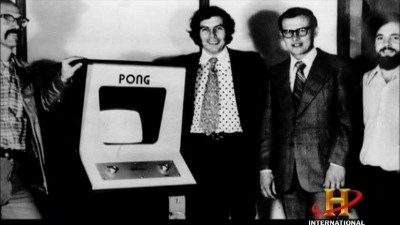
A fun-filled glimpse into the not so distant history of video games. Since inception, the gaming industry has been a driving force in computer technology and video games are one of today's dominant entertainment mediums.
Part 1 of a two-hour show that goes under the hood and a whole lot farther.
Beginning with the story of the steam engine and traveling forward to modern-day "machining centers" that are used to make incredibly complex space shuttle parts, we'll examine the basic types of machine tools and their development. We'll also look at machine tools of the future that will change the way products are made.
The US agricultural process, from seed to shelf, is so efficient that most people don't think much about it. We review the evolution of the tools used to produce food, show the steps in the cycle that bring food to the table, and look at the future of farming.
The history of how assembly lines revolutionized the modern world which can help manufacture anything from a small electronic to a jumbo jet.
Since its completion in 1869, the Suez Canal has been a vital link in world trade and a point of controversy in geopolitics. Today, more than 20,000 ships transit the canal yearly.
Head beneath the streets of London for an in-depth look at the world's first underground railway.
Sign up at the ultimate survival school, where soldiers learn to kill or be killed. We follow combat training throughout history, reviewing survival skills and psychological tools--from ancient Rome to World Wars One and Two--and learn how modern training is enhanced by advanced technology and computer simulation.
It all started with the vision of the legendary scientist Nikola Tesla, who built a remote controlled, steam-powered boat in 1898. A little over a century later, unmanned vehicles have taken us on vicarious journeys to the surface of Mars and deep into space, helped locate scores of shipwrecks, and been sent to work in conditions where humans would never survive.
The hangman, guillotine, gas chamber, firing squad, and electric chair are just a few of the ways in which societies have rid themselves of those who committed capital crimes. The macabre history of execution mechanics--from the first "stone" of antiquity, the dungeons of the Inquisition, and Nazi death camps to today's sterile injection chambers.
Inventions of War
A look at unforeseeable factors and what made these engineering feats into engineering disasters. Some are "fairly bought" like Rocket engineers pushing the technological envelope expect failures as part of the learning curve, but a collapsed roof or burst dam after centuries of engineering experience can only be attributed to sloppy engineering.
Power Plants
From the outhouse to the smart house, our lives have improved drastically in the last 150 years. Convenience and comfort have always been considerations in home design.
Where can you fire a missile without scaring the neighbors? Or lift millions of pounds in pursuit of a couple of ounces of gold? On a proving ground, of course, where performance is the only thing that matters.
When an oxygen tank exploded in the command module of Apollo 13, the prospects for the three astronauts aboard were exceedingly grim. But they defied the odds.
In an historic survey of man's adaptation to killer environmental conditions, we travel to the desert, the Arctic, the sea, jungle, and space, charting the body's physiological responses to extreme circumstances such as frostbite, heatstroke, and hypothermia.
Named one of the seven engineering wonders of the modern age, the Chesapeake Bay Bridge and Tunnel connects Virginia proper with its easternmost landmass. Stretching 17 miles across the historic Chesapeake Bay, the structure represents a man-made boundary between the Bay and the Atlantic.
From lawn care products to snow removal and outdoor cooking, the garage gadgets for do-it-yourselfers have evolved over the decades to meet the ever-changing challenges of maintaining a home.
Ride shotgun in our rollicking history of the Monster Truck, and meet the father of the mythic beast, Bob Chandler, whose Bigfoot gave birth to the sport in a cornfield years ago.
From the earliest known lighthouses, such as the Pharos of Alexandria, to modern-day automated buoys and solar-powered lantern rooms, this history of lighthouses is rich with personal stories of lighthouse keepers, daring construction efforts, and ingenious optical discoveries.
The Pentagon…The name alone conjures up an imposing image of American power and prestige. As the largest office building in the world, it serves as the headquarters of the nation’s armed forces.
The development of computers from Charles Babbage's mechanical computers first used in the 1890 U. S. Census, to the computers developed during WW2 to break the German Enigma code--from transistor computers, integrated circuits and microcomputers used for the space race to the moon, to networked computers sharing data around the globe.
When design flaws fell projects, the cost is often exacted in lives. Why did the Tower of Pisa begin to lean by as much as 17 feet; what caused the first nuclear accident in 1961; what killed three Soyuz 11 cosmonauts aboard the world's first orbiting space station; how did a winter storm destroy the Air Force's Texas Tower Radar Station; and what errors led to NASA's loss of the Mars Climate Orbiter and the Mars Polar Lander?
The developments and technology of international airports' construction and operation.
As the social life of a community increases in complexity, the demands for private communication between two or more people inevitably lead to cryptology. Explore the rich history of communicating with secret symbols--from Egyptian hieroglyphics to Caesar's encrypted directives, from WWI and WWII codebreakers to cyberspace.
Tunnels of Vietnam
Nothing symbolizes the Roman Empire at its height or Rome in magnificent ruins more than the Colosseum. Built in 70 AD, it seated 80,000 people, boasted a retractable roof, underground staging devices, marble seating, and lavish decorations. It still serves as the prototype for the modern stadium.
From battle armor to bubble gum, you might be surprised by what soldiers have carried into battle--and what they'll carry in future wars.
Join us for a nuts-and-bolts look at the history and evolution of those places that hold our world together. From the local blacksmith to Home Depot, it's the story of nails, screws, mollybolts, duct tape, and superglue.
A salute to the tools and toys that have stood the test of time--from the Zippo lighter to the Palm Pilot. As we focus on the technology behind familiar gadgets, we see the subtle ways they have changed our lives.
We review the history of cattle ranching. We'll ride herd with modern cowboys as they twirl ropes and brand calves, and look to the cattle ranch of the future, where cloning will produce the ideal meat-producing steer with a consistently juicy, low-fat carcass.
From a ladle and tin cup in an 1850s mining camp and Civil War tent saloons to Prohibition-era speakeasies, we investigate the history of the American saloon.
The Supermarine Spitfire is a revolutionary fighter plane.
Feel the earth move under your feet and dig into the fascinating story of earthmoving equipment. Ride on specialized behemoth dump trucks, delve below sea level to view dredging equipment, and leave the planet altogether to explore earthmoving space equipment in this 2-hour special presentation.
Cannons have fired balls of iron and atomic bombs, changed the way wars are fought, and now come equipped with smart weapons.
The most priceless jewels in the arsenals of a handful of countries, some nuclear submarines carry more firepower than all the bombs dropped in history. Engineering miracles, which roam 70% of the earth's surface, providing deterrence to enemies, intelligence about adversaries, and an abiding sense of dread.
Ever since the first air show captivated onlookers in 1909, stunt pilots and famous flyers have entertained enthusiasts with aerial acrobatics. MODERN MARVELS: AIR SHOWS looks at the history, technology, and amazing risks involved in producing these beloved airborne performances.
For nearly 200 years, the U.S. Military Academy® at West Point, New York, has trained students in the art of war. From humble beginnings, the Academy® grew with the nation, as each war forced changes to keep pace with America’s expanding world responsibilities.
The history of how rocks are quarried for every day uses and the history of how Stone Age man began to quarry rocks to form civilization.
From the earliest mines of the 4th century BC to today's technological wonders in South Africa, we explore the history and technology of the diamond mine.
A history of the history of crash test dummies. Beginning at the use of crash test dummies in airplane crash simulations to the newest automobile crash test dummies.
Built in the 1950's, the M-16 has become the primary service rifle for the U.S. military. Many of the improvements which have taken place were done during and after Vietnam, when the rifle was often pitted against the Russian-made AK-47.
From the riveted blue jeans of the old ’49ers working the gold mines of California to the million-dollar suits astronauts wear in outer space, we see how “dressing for success” often means being able to get the job done. With the right work clothes, people have been able to go anywhere and do any job.
From the earliest bunkers of WWI through the ultra-futuristic ones of tomorrow's wars, we trace the story of defensive fortifications. In the constant struggle to hold off ever more potent forms of attack, bunkers function in a variety of forms.
A look at dealing with the dead throughout the centuries, and at today's $20-billion funeral industry. Any way you look at it, it's a healthy business, with new generations of customers year after year.
There is nothing like the real thing. But when your trade is war, live training is not possible. With some war games today, it's hard to tell the difference... WEAPONS AT WAR takes a look at one of the most vital parts of military training, the war games that prepare soldiers and commanders for the heat of battle. From the days of simple "hide and seek" games to a rare look inside the amazing war games center in Virginia, the program traces the history of these ever-more-realistic simulations. See how physical and virtual sessions each contribute to the overall training program, and hear from the men who are charged with perfecting the training. Soldiers talk about what it is like to endure these simulations, and reveal how they have applied the lessons on the field of battle. It is a world designed for one thing alone--to prepare soldiers for everything they might possibly encounter when they take up arms.
It lies at the heart of one of the world’s greatest cities and ranks among the most popular tourist destinations on the planet. Modern Marvels takes you behind the scenes at Times Square, showing you how this marvel came to be and why it remains an icon to this day.
Glass may be our most versatile material. It sheathes skyscrapers, contains liquids, aids vision, allows communication at unimaginable speeds, and yet remains a medium for artistic expression. We see how, when man learned that heating certain rocks and minerals together could produce glass, this remarkably transparent yet strong material began working its way into our culture and everyday life.
Discover how military and police personnel, as well as private citizens, hone their shooting skills with one of the oldest of training techniques when we review the history of firing ranges.
It is a majestic structure that rises boldly over the Mississippi River--40,000 tons of steel and concrete that create the biggest arch of its kind in the world. We'll see how its simple and elegant form results from remarkable achievements in construction and engineering.
Failed Inventions
James Bond Gadgets
From today's ultra chic, state-of-the-art private jets to Lockheed's 1957 Jetstar, this 2-part special investigates the history, the luxury, and technology of America's corporate jets. We meet a few of the men and women who pioneered them--Bill Lear, Clyde Cessna and his nephews, Walter and Olive Beech.
Learn what it takes to buy a previously-owned jet, and travel to Dallas to visit the Associated Air Center, a company that creates very high-end, lavish jet interiors. Also the latest in kit jets, and look into the new must-have of the super rich--personal jets the size of commercial airliners.
From humble beginnings, the world of remote control has grown exponentially, with microwave, infrared and a host of other technologies expanding our virtual reach ever farther. See how the various methods work and go into the labs where scientists and engineers are developing the next generation of remote control devices.
From the Roman Emperor Caligula's special barges to Carl Faberge's impossibly intricate eggs, from plasma screen TVs to $600,000 Bentleys and Rolex watches, we examine spectacular personal possessions.
Traveling throughout the U.S. and Europe, we delve into a world of luxury, adventure, and sport on spectacular vessels ranging from classic yachts to sports boats to the ultimate floating palaces.
From body armor to armored cars and trucks, we review the history of the race between the bullet and a successful way to stop it. We'll look at little-known advances like bulletproof layering hidden in walls, futuristic smart materials that "remember" how to stop a bullet, and a system that deploys a shield within milliseconds when it detects an oncoming round.
A look at siege machines that convert energy into mechanical force to go over, under, or through fortified or fixed defenses too strong for conventional force. These engines range from man's first long-range missile weapon, the slingshot, to the laser cannons and satellite-destroying robots of the 21st century.
It's the place where one man's trash is truly another man's treasure. Enter the strange and mysterious world of the junkyard, where many pieces actually do add up to a whole. Uncover how junkyard operators create order out of seemingly random piles of junk.
TBA
The complete story of the F-14 Tomcat--from the initial design sessions to its most recent missions. Track the innovations that have kept the F-14 effective for nearly three decades.
TBA
The history of engines beginning with the steam engine through modern rotary and rocket engines are profiled.
One of the six simple machines and perhaps the most important invention in the history of mankind, the wheel has been essential in all aspects of life--from farming to fighting, traveling to trading.
Visit Russia's formerly secret training center for Cosmonauts and see what it is like to prepare for a space flight.
Icebreaker ships plow headlong into one of nature's most formidable barriers. This is the story of the specialized ships that have turned the tables on one of the mariners' most ancient and implacable enemies.
TBA
Fire warmed the caves and primitive dwellings of mankind for centuries, yet the technology of keeping cool lagged far behind as we learn in this chronicle of heating and air conditioning that covers advancements from the home and industry to outer space and beyond!
Pop open the hood, check out the carbs, and hear the engines roar on a journey back to a time when gas was cheap, emission controls non-existent, and all that mattered was acceleration and speed as we go behind the scenes of the muscle-car wars.
Blade implements have been a part of civilized man's arsenal since the Paleolithic Age, when sharp tools were chipped off of flint or obsidian. But with the discovery of metallurgy, people were able to forge stronger, more versatile blade implements.
TBA
TBA
Head to the drag strip and back in time for the complete story of these amazing machines.
TBA
At 5:30 a.m., July 16, 1945, scientists and dignitaries awaited the detonation of the first atomic bomb in a desolate area of the New Mexico desert aptly known as "Jornada del Muerto" (Journey of Death). Los Alamos scientists and engineers relate their trials, triumphs, and dark doubts about building the ultimate weapon of war in the interest of peace.
TBA
They are lethal tools that ensured our survival, altered our evolution, and maintained our dominion over other animals. Though hunting technology is the backbone of a multi-billion-dollar sports industry, current cutting-edge gear is a far cry from prehistoric man's rudimentary tools.
TBA
TBA
TBA
TBA
From Ancient Greek gymnasiums where pupils pumped up their bodies as well as their minds, to today’s high-tech facilities and science-based fitness regimens, find out how people have stayed in shape throughout history
Slap on your sun block and head to the ocean for a sizzling hour that explores the beach in a whole new way! We cover everything from Japan's Seagaia, the world's largest indoor beach, to boardwalks, dune buggies, surfboards, sunglasses, suntan lotion, wave pools, and more. We examine the development of each product and explain the technological advances that have been made over the years.
With the ironic motto "Peace is our Profession", the Strategic Air Command was in charge of US nuclear forces from 1946 to 1992.
Traces the history and evolution of the world's most important fossil fuel. Without gasoline, modern life would grind to a halt. What it really is, how it is made, what all those different octane numbers really mean, and how researchers developed cleaner-burning gasoline.
TBA
Join us for a look at the biggest, heaviest, tallest, longest, meanest machines on the planet! We'll see what these monsters do, how they operate and how they're designed and assembled.
TBA
The 1,046-foot Chrysler Building in New York City, erected between 1928 and 1930, was the world's tallest edifice--until the Empire State Building eclipsed it in 1931! Since then, this Art Deco masterpiece has become one of the most beloved skyscrapers on the city skyline.
TBA
TBA
TBA
Join us for a walk on the wild side of the history of sexual enhancement and contraception--from Cleopatra's box of buzzing bees to 17th-century condoms to Internet sex and 21st-century holographic pornography! In an explicit exploration of the aphrodisiacs, drugs, contraceptives, toys, and cyber-tech innovations that have ushered in a brave new world of modern sexuality, we talk to sexologists and historians for ribald romp behind the bedroom's closed doors.
He's everyone's favorite spy, the man with a woman in every port and a gadget in every pocket! No villain is too strong, no situation too tough for His Majesty's Secret Agent, thanks to his wits, cunning, and the best toys on the silver screen. History Channel cameras travel from the Arizona desert to the British countryside to find the best Bond gadgets--including amazing footage from inside the cockpit of the world's smallest jet and rare home movies taken on the underwater set of Thunderball.
Motorcycles
Limousines have been stretched to greater and greater lengths--as has the notion of what can be done inside them! You can have a rolling disco in a stretched SUV, go for a rumble off-road in a monster truck limousine, or take a direct hit in an armored limo and still make your meeting. So, sit back, relax, and enjoy the ride of your life as we review the history of chauffeured limousines--from weddings, proms, and funerals to the ultimate adult playpen and the president's "Cadillac One".
Topless, unobstructed--the convertible completely transforms the driving experience and unlike any other car, sets the driver free. During this face-paced hour, experts highlight the history of the world's most dynamic car design and the essential quality that makes it so unique. From the very first convertible design in 1915 to modern-day marvels of retractable hardtops, we peer under the hoods to see why the convertible remains the car that everybody wants, but only a few are bold enough to own.
DVD, CD, PDA, HDTV, PVR--they are the ultimate in "gotta have it" gadgets and gizmos and "to die for" technology that populate a digital world of acronyms. We trace digital technology back to the early 1940s and the first high-speed electronic computer used to calculate cannon trajectory charts for new artillery in WWII, and look at the rapidly approaching future in places such as MIT's Media Lab, where tomorrow's technologies are being developed today.
This addition to the Modern Marvels documentary series takes a look at the many concept cars of the 1950's. These forward thinking designs sometimes were the first embodiments of changes that would become standard on vehicles, and other times they were radical attempts to change the way people drove. The filmmakers offer a wealth of archival footage, and interview numerous people who have made cars both their life's work and their life's passion.
What do you think about when you gaze out the window as your plane takes off? Probably not about the least heralded part of our infrastructure--airport runways. But runways play a vital role as the backbone of aviation. They're where rubber meets road and land gives way to sky. Did you know that airports like JFK train falcons to keep little birds from becoming a hazard to the big, shiny birds? Join us for an engrossing look at the brawny concrete and asphalt runways that make aviation possible.
Castles and Dungeons
The Trans-Siberian Railroad
Booby Traps
The Alcan Highway
TBA
Thrill to the incredible story of man's never-ending quest to reach higher into the sky, and see how these technological masterpieces are constructed.
Mackinac Bridge
Bullet Trains
Army Corps Of Engineers
TBA
TBA
TBA
TBA
TBA
Torture Devices
TBA
The Exterminator
Dangerous Cargo
U.S. snipers are ultimate hunters in a deadly game in which the quarry shoots back.
Engineering Disasters 4
Logging Tech
Breaking The Sound Barrier
TBA
Car Crashes
Terror Tech: Civilian
Loading Docks
TBA
Military Movers
Terror Tech: Defending The Highrise
Bullets
TBA
Metal
TBA
Space Shuttle Columbia
Overseas Highway
Machu Picchu
Smart Bombs
Lake Pontchartrain Causeway
TBA
TBA
TBA
TBA
TBA
TBA
Shipyards
TBA
Extreme Trucks
These Sophisticated probes are sent to Mars to search for signs of life, marking the latest chapter in mankind's long fascination with extraterrestrial beings. The gripping hour surveys the history of this epic quest and shows how high-tech equipment brings the search to the surface of other worlds.
TBA
TBA
TBA
TBA
Boys' Toys: Extreme Gadgets
TBA
TBA
Failed Inventions
TBA
Egyptian Pyramids
The Berlin Wall
Toys
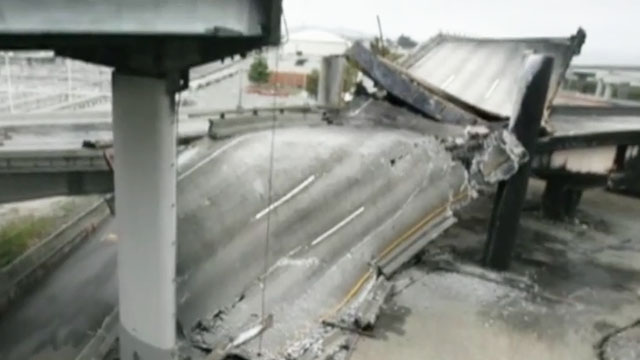
Engineering Disasters examines how an entire lake and the surrounding land are sucked into a Louisiana salt mine and a California freeway meets a large earthquake, before going inside the belly of the doomed Exxon Valdez.
Pacific Coast Highway
TBA
Racetrack Tech
Guns of the Civil War
TBA
Oil Fire Fighting
Command Central
TBA
TBA
TBA
Nature's Engineers
Bible Tech
TBA
Bathroom Tech
Engineering Disasters 6
Hydraulics
TBA
TBA
Plane Crashes
D-Day Tech
Rubber
Learn the history of public water systems in cities around the U.S. when we scour the past and look to the future, including desalination plants that turn seawater into drinking water.”
TBA
Nuclear Tech
Apollo 11
TBA
World War I Tech
Distilleries
Once the World's Longest suspension bridge, New York's George Washington Bridge is today the world's busiest. Experts examine the construction methods that allowed the bridge to come in under budget and ahead of schedule, and look at what distinguishes the GW in a city of great bridges.
Oil Tankers
Athens' Subway
Extreme Aircraft
Engineering Disasters 7
Building a Skyscraper: The Skeleton
St. Lawrence Seaway
Police Pursuit
TBA
Engineering Disasters 8
Harvesting
Building a Skyscraper - The Exterior
Building a Skyscraper - The Human Environment
Building A Skyscraper: The Arteries
Engineering Disasters 9
At one point, the Sears Tower in Chicago was the tallest building in the world. While it has since been surpassed it is still a technological marvel that pioneered engineering techniques and changed how companies do business.
Engineering Disasters 10
Presidential Movers
Gas Tech
Engineering Disasters 11
TBA
TBA
Engineering Disasters 12
TBA
Engineering Disasters 13
More of the World's Biggest Machines
Sub Disasters
Engineering Disasters 14
TBA
Washington Monument
Engineering Disasters 15
Snackfood Tech
More Dangerous Cargo
TBA
TBA
Commercial Fishing
TBA
Engineering Disasters 16
Doomsday Tech
More Doomsday Tech
This episode is an overview of the, then new, FBI crime laboratory in Quantico Virginia. Coverage includes the DNA lab, Chemistry Unit, Hazaderous Response Team, Trace Evidence Unit, Firearms Unit, Explosives and many other aspects of the real CSI
The Arch
Nature's Engineers 2
World's Biggest Machines 3
The Butcher
George Washington Carver Tech
Sub Zero
Desert Tech
Deadliest Weapons
Edwards Air Force Base
The Basement
Paint
Bricks
Heavy Metal: PT Boat
Glue
Civil War Tech
Machines of D-Day
John Hancock Cente
The Cape Cod Canal
Edison Tech
Known as 'the mother road' Route 66 pioneered many of today's methods in road construction and safety before being decommissioned. See how historians and enthusiasts are trying to save this piece of history.
Cowboy Tech
World's Biggest Machines 4
Dredging
The World's Fastest
Wiring America
HMS Victory
Coffee
Sugar
Mountain Roads
Engineering Disasters 17
Brewing
The Lumberyard
Da Vinci Tech
Beyond the barbecues and fireworks, this documentary delves into the history and traditions of the Fourth of July. The occasion dates back to America's first Independence Day celebration, which took place after the Declaration of Independence was read in Philadelphia in 1776. Although parties have taken place every year since, July 4 wasn't declared a holiday until 1941. Learn more facts and see footage from festivities around the country.
More Hardware
More Snackfood Tech
Walt Disney World
Nature Tech: Hurricanes
They hold just about everything we need, from condiments to cargo. Made of steel, aluminum, paper and glass, they protect and preserve. They're underground and above ground, they journey around the world. They've revolutionized civilization.
Out of control it’s a monster with a voracious appetite. Properly harnessed it’s a force that has shaped our world. We’ve learned to create and exploit it, but we’ll never truly tame it. From furnaces to flamethrowers, fire testing to fireballs, now, Fire, on Modern Marvels.
Tune in as Modern Marvels looks into the history of cotton, a product used in hundreds of different products, from clothing to lipstick.
TBA
TBA
Modern Marvels shows more of the world's biggest engineering disasters. We look at faults in the U.S. Army's Stryker Light Armored Vehicle, the Sunjiawan coal-mine explosion in China in 2005, the death of three iron workers at Milwaukee's Miller Park in 1999, and much more
It pulls, stretches, bubbles, hardens, crunches, and melts! We eat about 7-billion tons of it yearly. We’re talking about Candy–loved by kids and savored by adults. Candy-making evolved from a handmade operation to high-tech mass production. Nowhere is that more apparent than at Hershey’s. On a tour of their newest production facility, we learn how they process the cocoa bean. At See’s Candy, we see how they make their famous boxed chocolates–on a slightly smaller scale than Hershey’s. We get a sweet history lesson at Schimpff’s Confectionery, where they still use small kettles, natural flavors, and hand-operated equipment. Then, we visit Jelly Belly, purveyors of the original gourmet jellybean. Saltwater-taffy pullers hypnotize us on our sweet-tooth tour; we gaze at extruders making miles of licorice rope; and watch as nostalgia candy bars Abba-Zaba and Big Hunk get packaged. And in this sugary hour, we digest the latest sensations–gourmet chocolates and scorpion on a stick!
TBA
Modern Marvels examines the destruction Hurricane Katrina caused in New Orleans.
Made by the tanning of animal hides, leather has proven to be a versatile and important material. Without it, the Pilgrims may not have survived the winters in Plymouth, and the Romans may not have been able to march to the Tigris.
More engineering disasters are profiled, including the sinking of SS Edmund Fitzgerald in 1975 in Lake Superior; two Boeing 737 crashes; a diesel-fuel leak, a radiation-spilling accident at Santa Susana, an oil spill in the Monongahela River, and the failure of Galaxy 4 Satellite affecting communications and pagers nation-wide.
Although quite simple in nature, insulation is a very important component in keeping our homes a comfortable temperature. In this episode, we'll find out the history of insulation and then visit manufacturing plants to find out how insulation is being made today.
Man has always had a need to move large amounts of earth. In this episode, we profile the technological advances which have allowed shovels to become absolutely enormous, capable of carrying 200 tons of earth in one load today.
The program features the quest to drill the deepest hole ever and the scientific drill ship expected to perform the feat, and also looks at drills used to recover ice cores that will unearth thousands of years of climate history.
Remember “brick” cell phones, Pac-Man, Rubik’s Cube, Sony Walkman, and the first music CDs? Remember all the new and exciting gadgets of the 1980s? Join us as we investigate the transition from Industrial to Information Age–a digital decade dedicated to ergonomics and entertainment. The microchip ushered in an era that revolutionized the way we work, play, and communicate. And we tour Silicon Valley–birthplace of some of the greatest inventions from an amazing time of change, including the modern personal computer. Steve “Woz” Wozniak tells us about the evolution of Apple computers, and we talk to Sony–makers of the Walkman, Betamax, and the first CD players. A visit to the Computer History Museum shows fun technological “artifacts”, primitive by today’s standards. At Intel, makers of the first microchips, we learn why technology moves at such a fast pace. We also take a ride in a DeLorean DMC-12 sports car–few things moved faster.
One of the most prodigious American inventors, Ben Franklin is credited for creating things like the lightning rod, the armonica, the Franklin stove, bifocal glasses, and the flexible urinary catheter. In this episode of <I>Modern Marvels</I>, we examine how Dr. Franklin's inventive genius extended to things like Daylight Savings Time and the voluntary fire department.
TBA
They are elements that occupy a select portion of the periodic table and are so essential to America's economic and military might that they are stored in the National Defense Stockpile in case of all-out war. We plan a riveting visit. Some of the vital heavy metals that we survey include copper, uranium, lead, zinc, and nickel. We also take a look at superalloys--consisting of steel combined with chromium, cobalt, and dozens of other heavy metals--that resist corrosion and perform increasingly elaborate functions. From Earth to space, from cosmetics to vitamins, in a million different ways, heavy metals are here to stay!
Buckle up for a rip-roaring ride through the world of extreme horsepower. Experience the fastest accelerating cars on earth. Find out how horsepower was first coined as a marketing tool for the steam engine in the early 1800s and meet the horsepower police--the Society of Automotive Engineers who test today's most powerful car engines. Feel the amazing power of Unlimited Hydroplane racing as 3-ton boat-beasts careen across water at speeds of over 200 miles per hour. Journey to the bowels of an enormous container ship where the world's most powerful diesel engine provides over 100,000 horsepower. At the Hoover Dam, watch as it harnesses the enormous power of water. Explore the 80,000 horsepower pumping units at the Edmonston Pumping Plant that delivers 2-billion gallons of water a day to thirsty Californians. And sit behind the steering wheel of a new generation of hybrid cars that boast 400-horsepower yet get 42 miles per gallon of gas.
An old-fashioned style of cooking, barbecue has evolved into a modern food craze and spawned a multi-billion dollar industry. We digest famous barbecue cook-offs and visit long-established barbecue restaurants like Arthur Bryant's in Kansas City, where the huge grills and taste thrills of true barbecue are more popular than ever. At home, three out of four US households own a grill. After WWII's end, the phenomenon of backyard barbecuing swept the nation, thanks to inexpensive and mass-produced grills, including the kettle-shaped Weber. Our tour of Weber's modern factories shows how they keep pace with demand by manufacturing more choices than ever, including portable mini-grills. We also examine the variety of fuels available for the savory selection of spicy sauces and rubs. Join us as we devour the mouthwatering flavors of BBQ in this episode.
TBA
Bold, cunning, and audacious, pirates are a breed of fighting men and women who have terrorized the high seas since before recorded history. At the height of their power in the 1700's they literally influenced the fate of nations when they became embroiled in the rivalry between England and Spain. This special will visit maritime museums and shipwreck sites, utilize walk-and-talk demonstrations of fire arms, swords, and navigation instruments to help spotlight the innovations pirates brought to maritime technology. Includes a look at how many pirates modified their ships to make them faster and more powerful.
Join us for another look at big machines. At NASA's Ames Research Center, we visit the world's biggest wind tunnel, part of the National Full-Scale Aerodynamics Complex, and one of the biggest and most complex flight simulators, NASA's Vertical Motion Simulator, or VMS. At the Joy Mining Machinery plant in Franklin, Pennsylvania, giant machine tools form, cut, and measure the enormous individual parts that make up a Continuous Miner, the biggest underground mining machine in the world. But big machines aren't limited to science and commerce. Ride with us on the biggest observation wheel in the world, the London Eye, which stands 443 feet high and provides a 360 degree unobstructed view of London. And we take a look at IMAX technology. The film, cameras, projectors, and theater screens are the largest in the world. Finally, we take a ride on every lawn tender's dream machine--the Claas Cougar, the world's biggest lawnmower.
Pintsized as a pea or big as a bowling ball, nutritional, durable, and versatile, nuts have been a staple of the human diet since time began, and archaeological evidence places them among our earliest foods. Nuts sustained the imperial armies of Rome and China, the royal navies of England and Spain, and the native tribes that roamed the American wilderness.
TBA
After thousands of years, Egyptian mummies are speaking from the grave. With the use of state-of-the-art computer tomography scanning we explore inside a 2,000-year-old mummified body of an Egyptian child.
From collapsing floodwalls in New Orleans to high-tech mechanical storm surge barriers in Europe, we'll explore the 2,500-year history of keeping rivers and tides at bay by erecting levees.
Water, the most needed substance for life, so powerful it can carve our landscape, yet so nurturing it can spawn life and support its intricate matrix.
It transports electricity, water, and heat. It brings music to our ears and beauty to our eyes. Copper--its impressive traits, long history, and how it's mined. This versatile metal’s most famous attribute is its ability to conduct electricity.
The first specialized gun, the British upper-class used it to shoot birds and small game for sport. The shotgun took on a variety of roles, used by hunter and warrior alike.
Take an in-depth look at the most proven and reliable sources: solar, wind, geothermal, biofuels, and tidal power. From the experimental to the tried-and-true, renewable energy sources are overflowing with potential... just waiting to be exploited on a massive scale.
Explore the history of freight transportation from its humble beginnings as tramways in mines to complex system of rails that stretches to every corner of the nation.
Assembly Lines
Invented by the Chinese in about 3000BC, it spread the word of God and war. It set us free and spelled out our rights. It tells stories, sells products and solves crimes. It's ink and it's everywhere!
It's an art, it's a science and it's a marriage of vapor and water. From the elite to the illegal, the banned, to the celebrated, the distillation of spirits is a 50 billion dollar a year business. Visit brandy, liqueur, moonshine, and absinthe distilleries to see how this magic is done.
Strength...a powerful word, but what does it mean? How is it measured? Why are some things simply stronger than others. How strong is a rope, a tractor, a diamond, a tugboat or even plastic. How and why strength matther to us every day.
Hosted by Terry Deitz, a former Tomcat pilot, this special explores the legacy of one of the greatest fighter jets ever built. Witness first hand the last F-14 catapult launches and arrested trap landings aboard the USS Theodore Roosevelt. Hear what the aviators and sailors who have flown and maintained this iconic aircraft over the years have to say about its long lived active duty career. Deitz will ride shotgun one last time before the F-14 is retired. Then reflect with veteran pilots, Navy brass, and airplane enthusiasts as the world bids farewell at the F-14 Memorial and Final Flight Ceremony at the Naval Air Station in Oceana, VA.
Discovered around 18,000 years ago, tobacco was first cultivated in the Andes between 5000 and 3000 B.C. At a modern tobacco farm in North Carolina, a farmer will show how the crop is harvested and cured and visit the Fuente cigar plantation in the Dominican Republic. While tobacco has brought pleasure to countless smokers the world over--it has sent millions to an early grave. In an interview with the Surgeon General, explore this leading public health issue. The show will also look at smokeless methods of consumption as well as explore the use of nicotine replacement therapy.
Our basic need and desire for food has made the supermarket one of the great success stories of modern retailing. Making customers' visits to the market as efficient as possible has led to bar coding and a scale that recognizes the type of produce placed on it. Explore the psychology of the supermarket including store layout, lighting, music and aromas that trigger the appetite. With a growing percentage of the public interested in eating healthier foods, organic grocers are carving out an increasingly large niche.
It slices and squeezes, sorts and sizes, mixes and cooks. Every morning we count on it to keep our orange juice fresh, our eggs whole, our cereals flaked, and our McGriddle syrupy--this is Breakfast Tech.
A glass a day is said to keep the doctor away. A defeated Napoleon drowned his sorrows in it; Thomas Jefferson became obsessed with it. Wine is an integral part of our culture and more wine is consumed today than ever before. Supermarket shelves that once carried only box wine and jugs are now lined with wines from Australia, Chile, and South Africa. Aerial imaging and infrared photography once used by NASA to map the moon is now employed by wineries to analyze soil, vine vigor, and even disease. Paying tribute to wine's unique history we will travel the world over to explore wineries, the worlds' most historic wine cellar and the oldest restaurant in Paris.
In America's orchards and farm fields, the constant struggle between hand labor and mechanization has produced dozens of efficient and sometimes bizarre harvesting methods. Learn the secrets of the orchard manager and his ladder crew as they check fruit pressures and barometric readings. Visit California's largest fruit packing house and try to keep up with 10-fruit-per-second conveyors. Then off to the corn fields of Nebraska and the cranberry marshes of central Wisconsin. Finally go underground to the world's largest mushroom farm where the harvest takes place in limestone caverns that run some 150 miles. From fruit tree picking platforms to cranberry beaters and corn pickers, farmers constantly strive to speed the harvest.
In March of 2005, the BP Refinery in Texas City, Texas, suffered a series of explosions that decimated a large portion of the facility and killed 15 workers. Then the unusual series of events that caused American Airlines flight 587 to fall from the sky. What happened in Times Beach, Missouri, when a local waste hauler oiled down dusty roads with oil that was laced with dioxin? Look at what went wrong with NASA's Skylab in 1974 and finally examine the fire that destroyed the gas company, Praxair, in June of 2005.
It is the bane of every suburban parent and the joy to every school kid. Born in a swirling storm cloud through a process called nucleation, the characteristics of snow flakes are threatened by pollution trapped in the clouds.
After water, tea is the second most popular drink in the world. It has been around as a drink for 5000 years, and 6 billion pounds of tea are harvested annually.
Christmas is observed by nearly one-third of the world's population and probably more if you count the non-Christians who incorporate the more secular traditions into their winter season. Every year, revelers go all out with trees, ornaments, lights, window displays and Christmas treats. Technological advancements have made them cheaper, easier and safer.
Examining the technology and evolution of balls used in sports. Included: a tour of the Wilson Football Factory Ohio; the Rawlings baseball factory Costa Rica and the Baseball Hall of Fame in Cooperstown, N.Y. And also "juego de pelota" - the ancient Mesoamerican ball game.
From the prairies of Saskatchewan to a Manhattan skyscraper we’ll see the 21st Century’s cutting-edge “green” technologies in action. New technologies such as carbon sequestration and bioremediation take on our most daunting environmental crises, from global warming and deforestation to nuclear waste.
Canning is the method of a preserving and packaging food, without which civilization would never have ventured beyond the local food supply.
The history of the pump is chronicled. Pumps used in water distribution in Southern California - The Colorado River Aqueduct, a robotic cow-milking pump and a pump used in heart surgery.
The solid form of life's precious elixir has played a key role in fashioning our history and is making its mark as an unusual tool of technology. Explore how Earth's ice originated and recount how ice age glaciers sculpted North America. Take an inside look at Colorado's National Ice Core Repository to see how ice drilled from Antarctica and Greenland is an invaluable archive of past climate, and at a Canadian research lab experts demonstrate the dynamics and dangers of icebergs. See how Greenland's massive ice sheet may be sliding faster than ever toward the sea. Take a look at how scientists are using Antarctica's ice as a gigantic lens to probe the secrets of the universe.
TBA
TBA
Nuclear and biological Weapons of mass destruction are examined. With a computer-generated depiction of a dirty-bomb attack in Seattle and how scientists identify biological agents.
It's clear from the bow that nearly brought down Rome, the suspension system that revolutionized the chariot, and the axe that named a country that barbarians and technology aren't such a contradiction after all.
TBA
Dams - one of man's greatest accomplishments are explored. The history of dams from construction to demolition and their impact on the environment. Beavers and their dams and construction of embankment dams and larger Hydroelectric dams such as Three Gorges, Hoover, and Grand Coulee are explored.
TBA
The technology used to keep your lawn green including the lawnmower, riding movers, sod, astro turf, and sprinklers. The state of the art grass used in the University of Phoenix Stadium in Arizona. Also: how a company moves big trees, and the science of different types of grasses.
Soldiers, machines, and supplies are only effective if they arrive at the battlefield in time. Explore the history and the technology behind the machines that do the heavy moving in times of war.
Driven by the need for deep sea rescue and salvage capabilities, the US Navy Diving and Salvage Programs have gathered together a highly skilled team of divers, scientists and engineers, who have been involved in some of the most exciting and dangerous salvage operations ever undertaken.
It was a science first conjured amid the fiery ovens of ancient blacksmiths; today more than 50% of all U.S. products require some form of welding. Whether via electricity, flammable gases, sonic waves, or sometimes just raw explosive power, welding creates powerful bonds between metal unmatched by any other joining process. From high atop emerging 60-story towers on the Las Vegas strip to oil platforms hundreds of feet below the ocean, discover how welders forge the backbone of civilization. Learn about exciting new applications: how sound waves create bulletproof welds for contemporary body armor; the technologies behind robotic welding systems; and the knee-rattling impact of an explosion weld, the most powerful method of all.
What do remote controlled robots, Tempurpedic mattresses, polarized glasses and metallized blankets have in common? They are all civilian inventions among the thousands derived from technologies used in space exploration.
A look at the technology behind some of the 1960s greatest inventions. With color television, transistor radios, satellite broadcasting, touch-tone phones, lava lamps, the Ford Mustang, and toys like Etch-a-Sketch and the Super Ball.
What does it take to become "the world's strongest"? You'll find out on this episode of Modern Marvels. With life-saving boron carbide body armor and MegaFly - a giant ram air parachute.
To error is human, but when it results in the loss of life, it's a disaster. Learn about the sinking of the Edmund Fitzgerald, the Buffalo Creek Dam disaster, and the explosion of a tanker in Los Angeles harbor.
The 1970s were a decade of excess. Dust off your mirror ball, put on your leisure suit, and rediscover the gadgets of the era.
Today truck stops are bigger and better than ever. How have these mega pit stops catered to heavy haulers since the 1920s all the way to todays high-tech travel centers.
Without it one third of us would starve. Modern Marvels: Fertilizer tours the places that harness the vital nutrients that enrich the soil...that grow the crops...that feed us.
From the giant cheese factories of Wisconsin to the goat farms of Northern California,
They brought down the forests and built up the pyramids. They're a cut above for construction, salvage, demolition - and they even make music and some have used them to torture.
This useful metal was once considered more valuable than gold. Watch as aluminum is stretched, pounded, melted and turned into foam. Did you know that aluminum is made out of a powder? Visit the widest rolling mill in the world where skins for the largest jets are made, then it’s off to NASA to observe how aluminum is used to make reflective mirrors for telescopes. Discover the process of making aluminum foil and learn why aluminum baseball bats are better than wood.
A look at everyday stuff that is sticky including VHB tape, velcro, stealth rubber, cling wrap, and asphalt.
It's America's favorite flavor. We eat over three and a half billion pounds of it each year.
We spend 1/3 of our lives in the bedroom, explore the technologies that help to ensure we wake up on the right side of the bed.
On this episode of Modern Marvels we'll see giant-sized vacuums that clean up after disasters like Hurricane Katrina and 9-11. Beneath the sea we'll meet The Super Sucker, an underwater vacuum that saves coral reefs by suctioning up invasive alien algae.
They're designed to capture and often kill, but they don't always harm their prey. Traps are devices as old as humanity itself. We'll trap 400 punds Black Bears with West Virginia Division of Natural Resources biologists.
Mixtures of metals and caustic chemicals that make our tech, tools and toys surge with energy.
Take a supersonic flight through a world of flying machines that are redefining our skies. Pull serious G’s in the U.S. military’s latest fighter jet: the F-35 Joint Strike Fighter. Riding shotgun in the lethal B-1B Lancer, and look close or you’ll miss the swarm of MAV’s (Micro Air Vehicles)–so small they are launched out of a backpack. The “vertical takeoff and landing” capable PAV’s (Personal Aerial Vehicles) may be the answer to the commuting needs of tired travelers. Then, discover how a commercial jetliner has been retrofitted into the biggest flying fire truck the world has ever seen.
Modern Marvels: Deep Freeze takes the technology of cold to the extreme: A 12-story ice box filled with 135 million pounds of ice cream, arctic vaults that store billions of seeds and learn how scientists have mastered temperatures of minus 100 degrees Fahrenheit.
It is the most widely produced chemical in the world and possibly the most dangerous. Take a look at the many uses of acid. See how the military harnesses acid to make the explosive “Comp B-4.” Visit a sulfuric acid plant to see how acid can take the stain out of stainless steel and learn how it can be mixed to dissolve precious metal. At the Heinz vinegar plant discover why acid’s sour taste is sweet. Finally, learn how acid loving bacteria in Yellowstone National Park may hold the key to a biological industrial revolution and meet a mad scientist who will demonstrate how acid can hollow out a penny and turn a hot dog to sludge!
The Katana blade of the Samurai is the world's sharpest sword. We'll craft one from scratch to reveal the secret of its legendary cutting ability. We'll also visit Cutco Cutlery, where the sharpest for chopping food in your kitchen are made.
Copper
Take a look at the innovations designed to hold off a global warming meltdown.
Corn has found its way into over 3,000 different items. Discover how tons of sweet corn make it from the field to a sealed can within mere hours at Lakeside Foods in Wisconsin and how corn is transformed into clear plastic packaging at NatureWorks in Nebraska.
A pig is as smart as a three-year-old human. The pancreas, heart valve and intestines of the pig have been transplanted into human bodies. But the primary use of the pig is for food. Watch the transformation into bacon, ham, ribs and sausage.
From the Stone Age, to the Space Age, we've built our world from rocks. With moon rocks located at NASA's Johnson Space Center.
The dangers associated with Electric Shock are real. It kills and injures thousands each year. In the last 100 years we've corralled its power to create marvelous devices. We'll explore the stunning ways that electric shocks occur - from lethal prison fences to the slippery shock of an Electric Eel.
They're the meat in our sandwiches. We will take you behind the deli counter to reveal the secret ingredients in boloney. Watch a master sausage maker craft salami, and pile it on at Carnegie Deli with their famous mile-high pastrami sandwich.
Carl's Jr., Jack in the Box, Wendy's, BurgerKing or McDonald's. Fast food joints dominate the American landscape to the tune of $150 billion dollars in annual sales.
Got milk? Billions of pounds of milk are consumed worldwide on a daily basis. Milk is the basis for its own food group, and has been around since the dawn of mammals. Visit a farm with a milking parlor that looks more like a cow merry-go-round. Learn what pasteurization is really all about, and even milk a yak. Find out what those active cultures in yogurt are and discover if milk truly makes the body good. Wait until you discover just how many types of cows there truly are.
Carbon is the chemical basis of all known life and yet this simple element is also the foundation of modern technology. Carbon burns hotter, cuts deeper, insulates more thoroughly and absorbs more fully than any other material. See why carbon is the key both in heavy-duty industries, as well as in tools like the graphite pencil, the charcoal water filter, and the diamond saw blade.
The dot.com decade opened up the information superhighway and for the first time, people could shop, search, and surf online with the click of a mouse. Take a trip to the end of the 20th century and the beginning of today technologies.
Millions of drivers travel the world's superhighways each year. See a multi-billion dollar expansion project in Houston where a stretch of superhighway is being widened to 20 lanes & Take a ride atop the High-Five, a 12-story, five-level interchange that's become the latest Dallas tourist attraction. Then it's off to China's 28,000-mile National Trunk Highway System.
Witness some mind-blowing feats of strength starting with the world's most powerful elevators. Discover the world's strongest tire, the strongest mountain bike, the world's strongest land transport vehicle that carries the Space Shuttle & strongest home blender.
Discover microwave-like rays that make the enemy flee; laser weapons mounted on trucks & planes that can blow missiles out of the sky; non-lethal weapons include a B.B. machine gun; and a flashing device that may make you lose your lunch.
Takes a look inside the amazing ultra-modern world of high stakes commercial fishing where a wrong decision on the captain's part can cost not just the season's catch, but also the lives of his crew.
Visit some of the world's finest distilleries to see how each country brews this thousand-year old spirit. Go behind the scenes at Jim Beam, Jack Daniels and Canadian Club Whiskey.
It's the basic source of nourishment for half the world. Bake it, roast it, slice it, or toast it, it's a wonder with three simple ingredients.
Gadgets 3
Race through the French countryside at nearly 300 MPH on the fastest locomotive in the world. Ride on the little engines that could as they guide giant ships through the Panama Canal. Watch two locomotives crash head-on as the federal government monitors safety. Descend 700 feet below the earth's surface where mining locomotives move miners through a maze of tunnels. Then, it's a "jiffy lube" for locomotives inside America's largest maintenance shop. Finally, glide into the future with a locomotive that levitates on a cushion of air.
Feared by millions worldwide, rats are some of the most dangerous, destructive and useful animals on Earth.
Nikola Tesla's bizarre vision of the future brought him failure, but his genius electrified the world.
The axe is one of the world's oldest, most dangerous and efficient cutting tools. Visit one of the nation's largest axe manufacturers, take a swing with a Vikings' battleaxe, then see which would win in a fight of sword vs axe. Learn why the tomahawk is making a comeback as a tactical weapon & see how the fireman's axe has evolved into a trailer full of high tech rescue tools.
Discover that the deadliest snakes, sports and weather events are closer and more treacherous than you think.
Explore the world of extreme temperatures.
Do you ever wonder what happens to your body after you die? You might be surprised to discover that the human body is host to a multitude of hidden secrets. Discover how coroners and forensic anthropologists use a body to both save lives and catch killers. Visit the University of Tennessee's famed "Body Farm," a crematorium, and one of the largest tissue banks in the United States.
From the gelato of Italy to the French Pot process of the 1800s to numerous assortments of frozen delights being served up today, learn the history of this delicious dessert.
The most used room in the home is the bathroom and it's full of tech. Visit Kohler and see the new digitally controlled uber-shower, complete with steam, music and LED chromatherapy. Check out American Standard's Champion 4--the supposedly "uncloggable" toilet. Learn all about the low-flow alternatives for showers and toilets. Touch-free fixtures and a futuristic toilet from Japan ensure a more hygienic restroom experience. Finally, what is New York City's latest hi-tech solution for going on the go?
Explore collisions that shake our world from the astronomic to the subatomic. Indy car racing; motorcycles; skydiving; meteorites; and subatomic particles.
From itchy woolen union suits to comfortable briefs and boxers learn how our undergarments have evolved over the last 100 years.
Every 15 minutes, Americans insert over 3.5 million coins into vending machines. What are they buying? How do the machines work?
Rubber, plastic, nylon, aerosols, resins, solvents, & lubricants; none can exist without oil. If we stopped driving our cars tomorrow, America would still need 5 million barrels of oil a day.
How iron mined in Minnesota is made into steel; iron weapons revolutionize warfare; military metallurgists customize weapons and demonstrate their firepower; iron magnets.
It feeds the world. See how harvesting crews brave months on the road, cutting thousands of acres, tour a pasta plant to see how special kinds of wheat becomes everything from spaghetti to rigatoni. Watch as grain is mashed into a thirst-quenching brew and finally visit a company that transforms wheat into plastic-like products
Take a ride along some of the world's most dangerous roads. From Bolivia's "Death Road," to California's fog-shrouded Highway 99, find the danger that waits behind every blind curve
Learn about fungal organisms that live within our bodies, grow beneath our feet, float in the air and help create some of the foods and beverages we consume.
A versatile yet toxic metal, lead has served mankind for 6,000 years.
America's aging infrastructure is in danger of collapse due to corrosion, according to engineers; technology for battling corrosion; harnessing the destructive power of decomposition.
Examining how frequently experts in various disciplines can hit their targets, including archers, sharpshooters and even a billiards player; the ancient world's ballista and trebuchet weapons; knife thrower; Cirque du Soleil's daring artists.
An inside look at the technology used for the Halloween traditions such as producing latex masks, professional monster makeup, carving jack-o-lanterns, making fake blood and a glimpse of a popular haunted house attraction.
A celebration of the horse, the animal that helped mankind change the world; the thoroughbred racing industry in Kentucky; how a Minnesota logging company uses real horsepower; a Colorado program pairs horses and prison inmates.
The turkey is the centerpiece of Thanksgiving dinners and one of the dumbest birds in the animal kingdom, but it has managed to survive since the dinosaurs; Butterball factory; turkey hunting; dining on turkey testicles and eggs.
It's the only rock we eat, and we need it to live. History has shown that those who have salt rule the world--and today, this versatile substance has 14,000 known uses
The car wash's in America are a $25 billion dollars a year industry, with tunnel systems to in-bay automatics, we'll show you how America keeps it's cars clean. We'll visit the largest car wash, seven acres wide which includes a dog wash, chapel, and barber shop. And then to a wash which uses trained electronic eyes, auto conveyors, and mega vacuums which can hold up a bowling ball. We also show tips for cleaning a car at home. Plus we'll add tar, glue, egg, bird droppings, and a bucket full of sludge to a $160,000 Porsche, and then challenge a detailer to clean it off. Also, see how cars are built to survive a car wash.
Rummage around in your garage and you'll likely find remnants of gadgets past: a typewriter, analog TV, LPs, film cameras and brick-sized mobile phones. These products served us well and remember each one with nostalgic fondness. Take a trip down memory lane to examine how these oldies-but-goodies worked and find out how more advanced tech superseded them.
hether humans have the ability to possess superpowers; a man can strap on an exoskeleton and lift hundreds of pounds with little effort; Mr. Cyborg can control machines with his thoughts; flying like Superman.
How do you weigh a whale? How does your speedometer work? Take a look at the five most common areas of measurement: distance, time, speed, weight, and temperature
It traps a treasure of energy on the ocean floor, and confounds scientists still trying to solve why it’s so slippery. We’ll venture inside NASA’s Icing Research Tunnel in Ohio, and then it’s off to Salt Lake City’s Olympic Oval which boasts “the fastest ice on Earth.” Dive to the ocean floor to collect and analyze a unique form of ice called methane clathrates–cages of ice encasing pressurized natural gas. Scientists believe that if only one percent of the world’s ice-entrapped methane could be harvested, it would more than double our current supply of natural gas. Other highlights include the search for extraterrestrial ice and a trip inside the studio of a chainsaw-wielding artist as he sculpts a masterpiece
You know the old saying "dull as dirt"...wrong! In Las Vegas we'll see how thousands of tons of dirt transform a stadium into a Supercross course, and in New Jersey we'll slog into a secret bog to collect the special mud that every major league team relies on to give extra grip to baseballs. Then, we'll join in the down and dirty fun of mud wrestling at a state fair in Hawaii. In Tucson we'll see how modern adobe and stunning rammed-earth homes are made. To farmers, "dirt" is "soil" and in a teaspoon of healthy soil there are more living organisms than people on our planet. We'll find out where they came from at a sprawling potting soil facility in central California where huge earth moving equipment adds tons of dried kelp, bat guano and other ingredients to dirt. At exclusive spas we'll watch patrons submerge in mud. Finally, we'll visit the Tide detergent factory--why? To get the dirt out, of course.
Each year in the U.S., 280 million hens lay 80 billion eggs, one of the world's most affordable sources of protein. We'll chart the "journey of the egg" from henhouse to breakfast table...from massive traditional Iowa farms, where millions of eggs move from hens to delivery trucks without being touched by human hands...to "cage-free" and "pasture raised" farms where chickens have more room to roam but consumers pay the price. Find out what labels like "Grade A, Organic" and "Omega-3 Enhanced" really mean. See how powdered eggs get made and what happens to the billions of whites and yolks that go their separate ways. Try the world's largest omelet, made from an ostrich egg, the equivalent of 24 chicken eggs. How about some pickled eggs or "century" duck eggs? And prepare to be awed by the "Michelangelo" of the egg-shell world as he sculpts egg shells less than 1/32 inch thick into jaw-dropping works of art.
It is among the most versatile, nutritious, and varied foodstuffs in the world. The Potato is the ultimate comfort food. We'll travel from the Potato's mysterious origins in the South American Andes to the ethnic enclaves of New York's lower Eastside.
It's the most popular fish in the American diet. From the school lunch box--to the high end sushi bar--to the outdoor barbecue, tuna crosses all demographic lines. We'll go fishing with the men who risk their lives to bring in a haul, stop in at Bumble Bee, the only major tuna cannery still operating in America, and visit the world's largest fish market in Tokyo, where a single tuna can sell for as much as $100,000. We'll also explore worldwide efforts to save the giant bluefin tuna, which has been over-fished to a point of peril. Then we'll head to sea with scientists who track the tunas' inter-oceanic migrations, and travel to South Australia, where entrepreneurs seek to breed the mighty bluefin in captivity.
From building cutting-edge competition venues to the latest sports science training, winter sports use more technology than ever. This episode takes you behind the scenes of the Vancouver 2010 Olympic Winter games. Olympic organizers race against the clock to build venues, expand transportation and security, and add futuristic touches to the ultimate Olympic icon--the Olympic torch. Meanwhile, US Olympic hopefuls use high-tech training tools to gain a competitive edge. Take in breathtaking views from the world's highest unsupported gondola and rocket down a bobsled track at 80 miles per hour, as we show you winter sports like you've never seen them before.
At 4 State Trucks in Missouri, the Chrome Shop Mafia adds some truckers' "bling" to a big rig as viewers tour its 35,000 square-foot treasure trove of chrome. In Illinois, learn just how automotive parts get their luster in a complex electroplating process. And out on the road with some bikers, take a look at how Harley Davidson puts chrome to work both as a decorative surface and a protective covering on engine parts. At a classic car gathering, collectors show off their sparkling tailfins and grilles--and in Michigan, peruse a unique collection of more than 3,000 chrome hood ornaments. See how workers chrome-plate plastic, and learn how chrome puts the "stainless" in stainless steel. Find out how stainless steel flatware is manufactured and explore the iconic, shimmering art deco dome of the Chrysler Building. Finally, a Colorado artist will show viewers how he rescues old chrome car bumpers from the scrap yard and transforms them.
What does it take to turn twenty tons of steel into top-notch vehicles in less than a day? How does a pile of lumber become a million dollar home in a mere week? Every process, from beginning to end, is a unique and incredible adventure. From the fiery birth of high tech golf clubs to the cataclysmic end of old buildings... get ready to race from Start to Finish.
Follow the soybean from field to refinery with CHS, Inc. as they convert billions of soybeans into vegetable oils, flour, and soy meal. These products, in turn, end up in salad dressings and margarines, baked goods, animal feed and even bio-fuel and plastics. Pay a visit to the Kelley Bean Company which cleans 80,000 pounds of dry beans per day. B & M Baked Beans stirs up some New England tradition by baking beans in steel kettles and brick ovens. Then, Italian chef and bean lover Cesare Casella whips up a few bean dishes using rare heirloom beans, some of which cost $35 per pound. For dessert, Japanese pastry makers prepare traditional bean-based confections with the azuki bean. Fry up some falafel and puree some beans into a paste called hummus with the most widely consumed legume in the world...the chickpea. Last but not least, the makers of Beano explain how it works to prevent that unfortunate bean byproduct: gas.
Chili head alert! It's time to get hot and spicy. First we'll take you to the home of sizzling Tabasco sauce--McIlhenny Company of Louisiana, and to McCormick in Baltimore, Maryland--the leading spice manufacturer in the world. Then, head down south to see who likes it hot at the Southern Mississippi Chili Cook Off. At the Chile Pepper Institute, taste the rare "Bhut Jolokia," the hottest Chile pepper in the world, and learn about the chemical substance capsaicin, which gives the "Bhut" and other popular peppers their tongue-burning heat. At Sol Toro restaurant in Connecticut, owned by basketball great Michael Jordan, customers need to sign a waiver to dine on their sizzling dishes. Go to the manufacturers of horseradish, wasabi and mustard to find out how their roots and seeds deliver their own distinctive blazing burn. Using the same heat many savor, we'll demonstrate the powerful punch of pepper spray as a weapon.
Preparing meals for large groups is examined. Included: a meal at a U.S. Naval base in Bangor, Wash.; aboard a nuclear submarine; for crowds at a Philadelphia Eagles game; and the after party of the American Music Awards. Also: airline meals in New York City.
Fairgrounds fried classics such as funnel cakes and churros; frog legs; Twinkies and Coke; forging a cast iron frying pan; Kentucky's World Chicken Festival.
They account for nearly 30% of all beverages consumed in the U.S. and have been quenching thirst for over a century.
Got something strange to deliver? From pizza to packages, we'll show you how it's packed, labeled and shipped. Head down the highway carrying gigantic wind turbine blades. See how UPS got China's invaluable terra cotta warriors to a Los Angeles art museum. Deliver luxury yachts aboard a submersible carrier ship. Ride to the track with prized thoroughbreds on their own special jet. Want dinner and a movie? Sounds like a visit to Netflix headquarters and Papa John's Pizza. Ride radical with bike messengers in New York City, and deliver a donor kidney to a waiting hospital. Take a tour of the UPS Worldport hub in Louisville, Kentucky, a mammoth center with delivery docks for 100 jets, and handles 1.2 million packages a day.
From the early "egg beaters" of World War II to the "flying tanks" of Operation Desert Storm, we'll fly aboard one of the most agile and potent weapons on the battlefield--the helicopter. Meet the first pilot to fly a combat rescue mission in WWII and a USAF female aviator; and view classified footage of the Apache in Iraq.
Take a journey into the world of super sized, super strong, super unique ships. The Scripps Institution of Oceanography takes viewers out to sea to see how their FLIP research vessel flips a full 90 degrees, sinking over three quarters of its 355-foot length. In Miami, go behind the scenes of one of the largest cruise ships in the world. In California, step onboard the Navy's newest, most advanced transport ship and take a spin in one of America's strongest and greenest tugboats. In Boston, venture into the frigid world of an LNG carrier, transporting enough natural gas to power a million homes for an entire week. In Maine, hop on "the Cat," the fastest car ferry in North America--it's a huge twin-hulled catamaran. Finally, learn how a ship that looks like an enormous spider on water may someday save lives.
Size does matter. We'll size up the biggest of machines, and their smallest counterparts. First we go to France to find out what goes into assembling the world's largest jetliner, the Airbus A380. Then, fly with microjet pilots in the world's smallest jets. Witness a race between a huge Boss Hoss 425 horsepower motorcycle and an 18 inch tall pocket bike. Take the world's smallest production car for a ride and see just how many choir members we can fit into a super-sized limousine. See a mammoth Caterpillar front loader in action, in an open pit coal mine, and dig up the backyard with a loader that's no bigger than a lawnmower. Finally, walk inside an enormous diesel engine powering an 80,000 ton container ship and eyeball a tiny one driving a five pound model airplane.
Get ready to examine points of failure in ultra slow motion. Watch drivers crash cars and trucks at the Insurance Institute for Highway Safety to find their breaking points, and to find the breaking points of the crash dummies inside. At Underwriter's Laboratories, fire rounds at bullet proof glass until it breaks, and see how long it will take experts to breach a safe using more and more powerful tools. Watch as lithium-ion batteries catch fire and blow up at Sandia National Laboratories. At Arizona State University, find the breaking points of steel, concrete--even Kevlar jet engine containment systems. See how a bike helmet guards against the skull reaching its breaking point, then fire high-speed projectiles at Oakley's sport glasses and military grade goggles to see if they survive. And at Black Diamond, scale a rock face with a professional climber to find the breaking point of the carabineers and chalks upon which his very life depends.
Either someone has something to protect, or it's dangerous in there. Challenge the world's best safecracker to defeat a bank vault, and see the methods a bank uses to protect its money and tellers. Travel to New Mexico to find out how the government plans to keep people away from a nuclear waste site for the next 10,000 years. Tour Master Lock to see how padlocks and combination locks are made, as well as how facial recognition, irises, and even vein structure can "unlock" biometric locks. With Customs and Border Protection, watch how officers stop illegals and contraband from entering the U.S. Tour a company that specializes in making products like steel nets to keep out people and vehicles. Visit a command center that monitors all airspace in and around the U.S. Finally, see how cages and other deterrents tell sharks to KEEP OUT!
It's full steam ahead when we drop in at Jay Leno's garage as Jay fires up two of his classic steam cars and takes viewers for a couple of rides. Jay also shows off his 11-ton steam engine built in 1860, back when pigs had to be slaughtered to keep it lubricated. In northern Nevada, fire up a coal burning boiler and get a 100-year-old steam locomotive chugging across the rugged landscape. In New Orleans, board an authentic paddlewheel steamboat. Trek to the Southern California desert where geothermal steam rushes up from the ground and drives electricity producing turbines, powering over 300,000 homes. In New York City, find out why manmade steam surges into some of the world's most famous skyscrapers. Steam clean some very dirty machines, and do a little laundry, too. And ride a steam-driven carousel and play with some strange, steam-powered robots that are part of a movement called--what else--"steampunk."
Take a look at the tallest doors in the world at the Vehicle Assembly Building at Kennedy Space Center. Visit a company that makes blast doors and bulletproof doors. Learn about the surprisingly complex process involved in making home doors, as well as what goes into those commercial entries and exits we use everyday--the revolving door and the turnstile. At the Southwestern Foundation for Biomedical Research, enter through an airlock into their level 4 biohazard lab. The Cleveland Federal Reserve doesn't even send people into their vaults; its robots go in and out. Try some aviation entries and exits--the jet way used to board a plane, the airplane emergency exit procedures we hope to never use, and ejection seats, the fastest exit anywhere. Then, an engineering firm that designs hidden doors will take viewers to see a few of their secret entries. Finally, take a quick look at doors that go nowhere, at the Winchester Mystery House.
Where in Washington D.C. is the nation's most incredible treasure chest? It's a library unlike any other in the world--the U.S. Library of Congress. Explode the myth that this 200-year-old institution is simply "where members of Congress borrow books." Viewers are taken beyond the magnificent Jefferson Building Great Hall into the secret vaults where more than 600 miles of shelves hold 130 million items, many of them priceless treasures--from George Washington's hand-written diaries to Galileo's first images of the moon to the original camera film of the movie Frankenstein. See how a staff of 4,000 catalogues protects and preserves these treasures and distributes them globally via a new World Digital Library.
We can't live without them and yet they didn't even exist a couple of decades ago. We'll count down our list of the top ten technological innovations of the last generation. Have they made human existence exponentially better, or more fragmented and precarious? Tune in to find out what they are, and how they've impacted our lives.
Supersized stores try to meet their greatest challenge -- keeping up with demand on a massive scale.
The US has become the culture of BIG--just look at the importance of size and how it has been infused into the lifestyle we choose to live, whether it's our homes, our appliances such as large screen TVs or even eccentric stretch limos. But big has also affected what we eat. This episode explores America's growing obsession with plus-sized meals and how we cook them! Discover the largest everyday offerings of gargantuan portions--from the biggest stacked burger in the world (at almost 250 pounds), a plus-sized Sicilian pizza that feeds almost 75 people, a 72-ounce steak no real cowboy can resist, and the seven-pound hot dog that's too big for a bun. Top it all off with a giant cupcake, humongous cinnamon roll or a five pound gummy bear... and chase it down with a monster bottle of beer that holds over 101 ounces of brew.
Tens of millions of them all over the world--soda and snack machines, parking meters and payphones, video games and vending machines... and they all use coins--but for how long? Examine the historic one-armed bandits and the 21st century, cutting edge, computerized slot machines that occupy Vegas casinos and get an exclusive look at their inner workings in a never-before-seen factory in Reno, Nevada. Search out some of the wackiest, strangest vending machines on the planet that sell everything from bottles of wine to dog washes. Get a close-up look at the famous binoculars located at popular tourist sites around the world, as well as a unique company that collects and cleans the coins thrown into fountains for good luck. But it all starts and ends in the historic halls of the U.S. Mint, where coins are made and destroyed. Will coins one day become obsolete?
They are catastrophic failures with deadly consequences. Caused by a single spark or a massive collapse, these disasters reveal one thing--the danger inherent in our most common industries. From a massive oil spill to refinery blaze to a downed plane, find out what went wrong... and how to prevent the next engineering disaster.
Man's best friend--fearless, faithful, determined and swift. They're our sharpest eyes, noses and ears--and among the bravest hunters, soldiers, rescuers, and protectors. From natural instincts to complex training, see what makes dogs a perfectly engineered Modern Marvel.
Enter the amazing and ingenious ultra-sturdy shelters, machines, containers, materials and packaging designed to deny the ruination of society. The drive to create the indestructible has inspired some of the most prolific and awe inspiring results: The Cold War spawned personal bomb shelters in the 1950s. They weren't truly safe and secure, but today's 21st century version will last a millennium. And so will the special food you can get, along with all the comforts of home--like running water, plumbing and electricity. Caskets serve as our final resting place, but how long do they really last? Investigate how valuable data from a plane crash survives in a "black box" (that's not really black), to explain what might have caused the accident. And get an intimate look at the new "home" that protects and preserves one of the world's most valuable documents--the case that houses the original Declaration of Independence.
Just below the surface, there's a whole different America hidden from public view. Take a revealing look at the America under our feet, from secret military installations, and experimental farms to tunnel networks and neutron lasers.
Since the dawn of the Industrial Revolution, the United States has stamped, carved, cut, built and assembled its way into becoming the super power of product production. However, in the last 20 years, the "Made in America" tag began to fade, as the manufacturing landscape of industry went overseas. So what is still Made in the USA? Visit the world's biggest and oldest flag manufacturer, which has made some of the most famous flags in history. Go inside the factories that produce the last athletic shoe made in the US. See the strangest form of alternate transportation known to man--completely assembled in 30 minutes. Check out a hot toy company that believes it's imperative to keep their work here at home. Top it all off with some great food--some American success stories that may seem foreign at first glance. It's not just a label. It's a proud and important tradition.
Get behind the wheel and take control of the some of the largest, fastest, most powerful machines on the planet. These aren't your average vehicles--and handling one of these rides is unlike anything else. But you need more than just a learner's permit to take control of these vehicles...you need training, experience, and above all, guts--if you plan to sit in the Driver's Seat.
You can fry it up, eat it for breakfast, or quaff it down on a hot summer day. It's the world's most versatile grain: RICE. At last count, there were over 140,000 types--white, brown, long-grain, wild, short-grain, jasmine, Arborio, Basmati, black Thai, sweet, sticky--enough to satisfy any discerning palette. From the mountaintops of Nepal to the fertile fields of California and Arkansas, we'll find out everything there is to know about growing, harvesting and milling this tiny, life saving fare. We'll travel to restaurants and distilleries to experience the delicious creations talented masters whip up. It comes in all the colors of the rainbow, served up everyday in countless dishes. It even brews into alcoholic drinks--sake and beer. We'll also go inside the factories that make Rice Cakes and Rice Krispie Treats to discover how they use RICE to make their "snackable" delights.
It's all around us--so much a part of our lives that we forget it's there. But try to survive a single day without packaging. This episode reveals the astounding technology and ingenuity required to create our packaged world. At a Michigan company that designs water bottles, we'll show you how engineers find their inspiration from a bell pepper. In New Jersey, the makers of bubble Wrap clue you in on their manufacturing secrets. In Texas, workers conquer the challenge of packaging the world's largest crane. And you'll also see how America's military goods and supplies are packaged and shipped by the United States Transportation Command. Other stories include a new easy to open package that's the cure for "wrap rage"--and how NASA engineers packed a fragile humanoid robot for a trip into orbit.
In our lifelong battle to fight friction, Grease--in all its forms--is the unsung hero. Journey deep into places few people ever get to see, to discover the "hidden" uses of one of our most slippery products inside giant machines. We'll also investigate how it's made in a factory in New York, as well as what new advances some are working towards for grease of the future. But in the meantime, we'll witness how it is currently used inside a US Navy aircraft carrier, San Francisco's famous cable cars, elevators and escalators, assembly lines, huge excavators, amusement park rides, and even the Panama Canal. From pig fat to nano-particles... amazing Grease keeps everything rolling along--smooth and fast.
From hauling our heaviest gear to mastering the tallest mountains, they have been around for centuries, but we constantly improve upon them. Get an inside look at factories where every kind and style of Ropes & Chains are made. We'll get some lessons from a company that trains high-flying workers who depend on rope to do their jobs safely. Learn how window washers, rock climbers and even bungee jumpers safely use the ropes they depend on every day! See dockworkers who rely on ropes around the clock, and pay a visit to the head-spinning factory floors where some of the strongest ropes available are made. See how industrial chain links come to life from just a rusty steel coil and how they're used to anchor massive ships and unload cargo. From parachute cord to shipping lines, from fine jewelry to anchor chains--we'll discover the many uses of today's Ropes & Chains.
America would come to a standstill without trucks. Trucks transport a staggering 70 percent of all the nation's goods. Explore the amazingly diverse world of American trucks and the colorful men and women who drive them. Join country superstar Brad Paisley and his crew of truckers on the road between Little Rock and Tulsa--racing the clock to be on time for Brad's next concert. In Dearborn, Michigan, climb aboard one of the most popular pickups--the Ford F-150--as it tackles a devilish test course. And in Virginia, see how fast the world's most nimble tow truck can extract a car from the tightest parking spot imaginable. Meet a Mack truck fanatic and his cool collection of vintage models, and ride-along with an unsung hero with a truly dirty job--operating a truck designed to empty and clean portable toilets.
Don't look now--but there's a lot more to your walls than you'd ever imagine. Take a penetrating look inside something we consider utterly mundane, and uncover a surprising and sometimes shocking world. A computer-managed home in Colorado showcases the high tech gadgetry destined to inhabit every wall in the future. At the headquarters of Orkin in Atlanta, a network of walls with cutouts and Plexiglas windows reveal how pests and creepy crawlies of all kinds can congregate in huge numbers inside our homes. In Washington, scientists at Underwriters Labs play with fire in the name of research, investigating how our walls can keep us safe--or expose us to a fiery death. And in Los Angeles, a security company demonstrates innovative new technology that can "see" through walls--detecting motion, heat, breathing, even heartbeats.
We live in a highly mechanized world in which billions of products are made by machines--but there are some things that can be built only by using an even more sophisticated tool--the human hand. In New Mexico, a pilot who builds his own jet-powered glider takes to the skies--his very life depending on his handiwork. Canoe makers in Montana, and a knife maker in Washington, handcraft items so unique that customers are willing to pay significantly higher prices than if they were machine made. In the farmlands of Central California, craftsmen keep alive the ancient art of weapon making--see their gleaming suits of armor in action, as weekend warriors do battle. Ever wonder how those impressive animal skeletons in museums are constructed? The artists of Skulls International in Oklahoma City share their secrets. And in Hollywood, the Chiodo brothers reveal how handmade special effects have a charm and character that today's computer animators can't duplicate.
It's a great American wilderness--millions of acres of wild, primeval land with its own people, its own technology...and its own rules. Survival there depends on smarts and science, guts and grueling work...and a unique approach to one of the world's most uncompromising environments--swamps. Watch an assembly of the distinctive airboat, then hop on board for a breathtaking journey and discover the surprising history behind this swamp staple of transportation. Take a wild ride on a big-tired swamp buggy, and taste test some local delicacies that bring new meaning to "acquired taste." Witness a massive engineering project to divert the mighty Mississippi River, and meet the machines that make that job possible. Plus come face to face, literally, with enormous pythons and menacing alligators.
People's pocket contents are examined to see what they carry and why.
Mobile eateries with surprising innovations.
It has been said that necessity is the mother of all invention--but that is not always the case. Some strange machines are built for sheer spectacle, some a glimpse into the future or even the past, while others are just plain...Weird.
Candy is America's sweetest guilty pleasure--so appealing that we spend $25 billion annually to experience it. Our cameras venture from Chicago to Santa Cruz, California to show you that behind every delicious bite is a fascinating story of imagination and innovation. Fourth-generation candy makers Nick and Gino Marini reveal how they're redefining the limits of confectioneering with their latest sensation...chocolate-covered bacon. The crew that makes the iconic red and white Starlight Mints demonstrates how they give each piece its trademark color pattern. As your mouth waters throughout the hour, you'll also discover they key ingredient that gives Lemonheads their sour punch...and the surprising substance that puts the polish on Mike and Ikes. And you'll be shocked to learn how little sugar is in cotton candy.
U.S. soldiers today face enormous challenges, often stationed in desolate locations behind enemy lines. Keeping them protected is priority number one--and the military is making enormous leaps in devising a wide array of high-tech equipment to protect today's soldier. From elaborate elite training facilities, to GPS-guided air drops, to revolutionary high-tech tents and fire-retardant uniforms, we explore the science and technology of building, operating and protecting a base in a warzone.
Just the whiff of a foul odor can make your head spin, your eyes water, your stomach turn--it can even send you hurling. From cesspools, military stink bombs, and rancid rotting meat... to cow farms and landfills... to bad breath, B.O and beyond, the world is full of stink--and we've spent centuries battling the funk. So how do we deal with these horrific odors? Hold your breath `cause these sensational stories are gonna STINK!
From the beginning of time we've worked to protect ourselves against the very element that keeps us alive...Water. We love it and hate it. With water covering 75% of the Earth's surface, it's no wonder we struggle to stay safe and dry. We fight against ferocious weather and floods with state-of-the-art roofing, wraps, tarps, tunnels, clothing, boats, and much more... devising extreme tests to probe the limits of our modern waterproof technology.
Hundreds of years before steel and plastic, wood was the building block of America. But even today, it touches every aspect of our lives. It's underneath our feet and flying through the sky, propping up skyscrapers and making burgers fry -- from the historical, to the modern, to the timeless, we explore the surprising ways we cannot live without WOOD.
160 million Americans visit a convenience store every day. Why? Because it's fast. But what you probably didn't know is how every detail of its design has been engineered to work that way. Step inside one of the busiest 7-11's in America and find out what makes it tick. And go behind the scenes to see how favorite innovations--like slurpees, turbo ovens, and beef jerky--are made. The science of convenience will amaze you!
"Tiny" weapons may not sound impressive…but small can kill, and it can also be easily concealed. From a pocket pistol used by the police…to a submachine gun wielded by a bodyguard…to a carbine in the hands of an Army Ranger, many of today's most effective weapons are smaller than ever. They can fit in your pocket, fly through the air, even break through walls–tiny weapons are an essential part of battle, self-defense, and spreading terror.
Every aspect of our lives involves pressure. It's what puts the bubbles in soft drinks, propels shaving cream from its can, cools the contents of your refrigerator, and causes volcanoes to erupt. But when pressure suddenly changes, you better look out! Rapid pressure changes can be as violent as explosions. And variable atmospheric pressure? We call that the weather.
Shoes have come a long way from their humble beginnings as simple leather moccasins. Today footwear is built to withstand any extreme environment where a foot can tread — from the heart of a burning building to the track of an Olympic stadium. From high-tech soles to shoelaces, cowboy boots to sneaker design — step behind the scenes with the products that keep your feet covered.
Our 49th state is one tough terrain. In the air, on the ground–and deep beneath it–survival here requires an amazing array of technological innovations. From buildings to highways, brutal winters to bug-infested summers, this unforgiving landscape demands creative work-arounds. And then there's the constant threat of natural disasters…tsunami, anyone?
Engines
The Panama Canal is thought to be the 7th wonder of the modern world, but now to fit the world's growing fleet of super ships, the Panama Canal is getting completely revamped; a look inside the billion dollar Panama Canal Expansion Project.
But this special episode of Modern Marvels counts down the top ten lip-smacking treats Americans love most.
Modern Marvels is going big, and counting down. We take the “best of” Modern Marvels and give you the MEGA Top 10 countdown. On this edition: Awe-Inspiring Machines–featuring the top ten mightiest, strangest, and most unique innovations from our archives.
Modern Marvels is going big, and counting down. We take the “best of” Modern Marvels and give you the MEGA Top 10 countdown. On this edition: Amazing Weapons. They’re every arsenal’s best asset and every enemy’s worst nightmare and we’re counting them down to the most amazing weapon of all.
Modern Marvels is going big, and counting down. We take the “best of” Modern Marvels and give you the MEGA Top 10 countdown. On this edition, the top ten guilty pleasures you just can’t resist… America’s Favorite Foods.
Modern Marvels is going big, and counting down. We take the “best of” Modern Marvels and give you the MEGA Top 10 countdown. On this edition: Speed. It’s a pure adrenaline rush as we race the top 10 fastest marvels we’ve featured down to the speediest of all.
America has always prided itself on its technological strength–and this countdown embarks on an odyssey featuring the strongest of the strong. Whether they lift, pull, hold or haul, every heavy-duty titan among our top ten choices has the muscle to reshape our world. Our contenders take our cameras on land, sea and air as they push the limits of power and endurance beyond the imaginable. And our choice at number 1 pulses with so much strength it could destroy our other nine finalists with one push of a button.
The variety of jobs in America is endless–but some have to be seen to be believed. Our countdown of the top ten most fascinating jobs from our archives proves how daring and innovative the American worker can be. A nationwide quest finds amazing jobholders in the wild blue yonder and the depths of a secret underworld…in occupations ranging from the daffy to the dangerous to the downright creepy. And at the end of our journey, we find two business partners performing a job so perilous that one misstep can be deadly.
This countdown special kisses the conventional goodbye, raiding the Modern Marvels archives for the most bizarre wonders we’ve ever presented. Our top ten contenders demonstrate that the inside scoop on innovation often lies outside the norm. You’ll be scratching your head at the weird assortment of oddities–technologies ranging from a gooey slime that could be a terrorist’s worst nightmare…to an exacting art form requiring the help of millions of ravenous beetles. The final destination at number 1: a devise so strange and destructive that its inventor allegedly destroyed it to avert a catastrophe.
A countdown of the top gizmos and gadgets featured on "Modern Marvels."
For this countdown special, we're buckling up and punching it--as we raid our archives for the hottest rides we've ever presented.
Food: Cookies
Food: Cheese
Food: Ice Cream
Food: Chocolate
Food: Snacks
The Future of Food
Fast Food
Food: Inventions and Innovations
Adventure Machines
Heavy Machiner
Moving America
Power Tools
Classic Toys
Top Toys
Sit tight and belt in because while there are over 230 million licensed drivers in America; we are going way beyond the driver's seat of your average automobile. It's time to jump behind the wheel of some of the biggest, fastest, most powerful machines on the planet. From battle tanks to blimps, helicopters to harvesters, you'll get the chance to sit in the driver's seat of some the world's most incredible vehicles for some truly Wild Rides.
Turn up the heat because it's time for Steam Power. From Jay Leno's personal steam cars and 11-ton steam engine to carousels, boats and skyscrapers fueled entirely by steam, Modern Marvels takes a deep dive into one of the oldest means of locomotion. It's high tech - 1800s style - as we travel the country in search of the most incredible vehicles, engines and even robots that run on Steam Power.
Ready to take a ride on the most thrilling helicopters in the sky? From the military's deadliest and most sophisticated choppers to homemade helicopters and million-dollar models customized with everything from bars and entertainment systems - Modern Marvels explores some of the coolest copters to ever take flight.
Buckle up as we take a rip-roaring ride through the world of extreme horsepower! From 8000 horsepower dragsters and hydroplanes with top speeds of 200 miles per hour, to a cargo ship propelled by the most powerful diesel engine on earth - a whopping 95,000 horsepower - Modern Marvels muscles through the most impressive engines ever built and how they achieve their incredible performance.
From Bolivia’s Death Road to California’s fog-smothered Highway 99 to dodging IEDs on the road to Baghdad Airport, “Modern Marvels” experiences the harrowing journey down some of the world’s scariest roads.
Two million people wash their car every single day; taking a look at all the technology used to keep those beloved vehicles sparkling clean.
Climbing aboard the complex rail network that snakes through valleys, over rivers and across prairies to get America’s goods from the factory to front doors.
All aboard! Modern Marvels takes a ride on the fastest and most powerful locomotives from around the globe. From France’s 300 MPH speed train to future trains that glide on cushions of air to mining locomotives that traverse tunnels 700 feet underground, we’ll catch a ride on the little-and big-engines that can.
Let's head to the fields as Modern Marvels takes a fascinating journey from farm to table! From the dizzying heights of California's date palm trees to the soggy Wisconsin cranberry marshes to the cavernous labyrinths of Pennsylvania's mushroom farms, we pick through the most unique and timeless forms of harvesting.
Prepare to be shocked and enlightened because it's time to enter the mad world of Nikola Tesla's remarkable inventions! From his 187-foot-high wireless network tower to his lifelong rivalry with Thomas Edison to his disturbing death ray and earthquake machines, Modern Marvels illuminates the genius--and the quirks--behind an electrifying mastermind.
Better be kind and rewind because we're diving into some blasts from technology's past! From unwieldy television sets and vintage record-making to evolving Mustang motors, join Modern Marvels as we rediscover some of the most beloved retro devices that built the tech-driven world we live in today.
Time to dig through those sofa cushions as Modern Marvels changes the way you think about coin-operated machines! From parking meters and pinball machines to vending machines and coin counters, we explore the ways people spend their quarters, dimes, nickels and pennies every day.
Get ready for a royal flush as Modern Marvels looks at the latest and greatest in bathroom technology. From the ultimate computerized shower experience to toilets that clean themselves, getting dirty has never been so much fun. It's everything you ever wanted to know about how the bathroom evolved into one of the most beloved, and expensive, rooms in the house.
Think you have seen some crazy inventions? Think again! From aerobatic boats to battle-ready robots to homemade fire tornados, join us as Modern Marvels travels the country to uncover the most mind-blowing creations ever developed.
Time to start the mower and whack those weeds as Modern Marvels cuts into the 100 billion dollar a year yard tech industry. From the latest mowers to a sprinkler system that checks the weather for you, we'll check out hi-tech gadgets and gizmos promising to keep your patch of grass beautiful and green.
This program details the US Boeing B-17 Flying Fortress and its use during the Second World War
In 1943, a B-25 Mitchell, WWII's most versatile twin-engine bomber, crash-landed in South Carolina. It sank 150 feet to the bottom of a lake and over time was forgotten. Now, 60 years later, a local doctor is determined to raise the giant bomber intact and give it to a museum. Our team--divers, engineers, and preservationists--takes on the job of moving the 20,000-pound bomber to the surface, while faced with the challenges of working in nearly zero-visibility murky waters and the wrath of an approaching hurricane, plus fear that the plane may be breaking apart!
SECRET RUSSIAN AIRCRAFT OF WORLD WAR II reveals how, despite the ever-present danger, Soviet designers mastered technical hurdles astonishing even by today's standards. Rare footage, photos and plans show their creations: a swept-wing, delta aircraft design, a rocket-powered fighter, a long distance fixed-wing aircraft which helped inspire the U-2 spy plane, a flying tank prototype, a submarine-bomber combination, and a canard-wing aircraft.
The history of photography.
Set the sedan’s safety brake and hop on your “hog” for a 2-hour high-speed history of the motorcycle–from the 1868 “steam velocipede” to the early 20th century, when they were a low-cost alternative to automobiles; from Harley-Davidsons preferred by Hell’s Angels and police to motocross riders who take bikes into the air and onto the dirt. We also look to the motorcycle’s future, featuring Jay Leno’s jet-propelled Y2K sportbike and Erik Buell’s bike-without-a-gas-tank creation.
From Alexander Graham Bell’s crude creation to today’s high-speed wireless networks, explore the past, present and future of the telephone.
DVD extra from S16E18 The Real National Treasure
Adam Richman visits power tool manufacturing "mecca" Dewalt, where he discovers how they're using cutting edge technology to make cutting edge tools. Then, he goes back in time to uncover how one of America's oldest power tools is still cutting! Next, it's time to recharge as he finds out how power tools have changed the world, from the outer reaches of space to deep under the ocean, to pit crews racing cars and rescue teams racing time.
The White House is more than the President’s residence–it is a structure that both reflects the office and affects the man. As architecture, it suggests America’s consensus on the nature of the Presidency. It is at once humble, genteel and stately. It avoids the aristocratic airs of European leadership in favor of an accessible office. And history has demonstrated that men exposed to the grace of the White House are absorbed by its American allure. It makes politicians “Presidential”. It lifts them to a loftier plane of purpose. The President may live in the White House, but it is America’s home.
In an attempt to fully understand the creatures who dwell in the various oceans across the globe, public aquariums were set up sometime around the middle of the 19th century. The History Channel highlights the popularity of aquariums in this program, as well as the technological advances which have meant exotic sea creatures can thrive in captivity, and allow humans to learn a great deal from them.